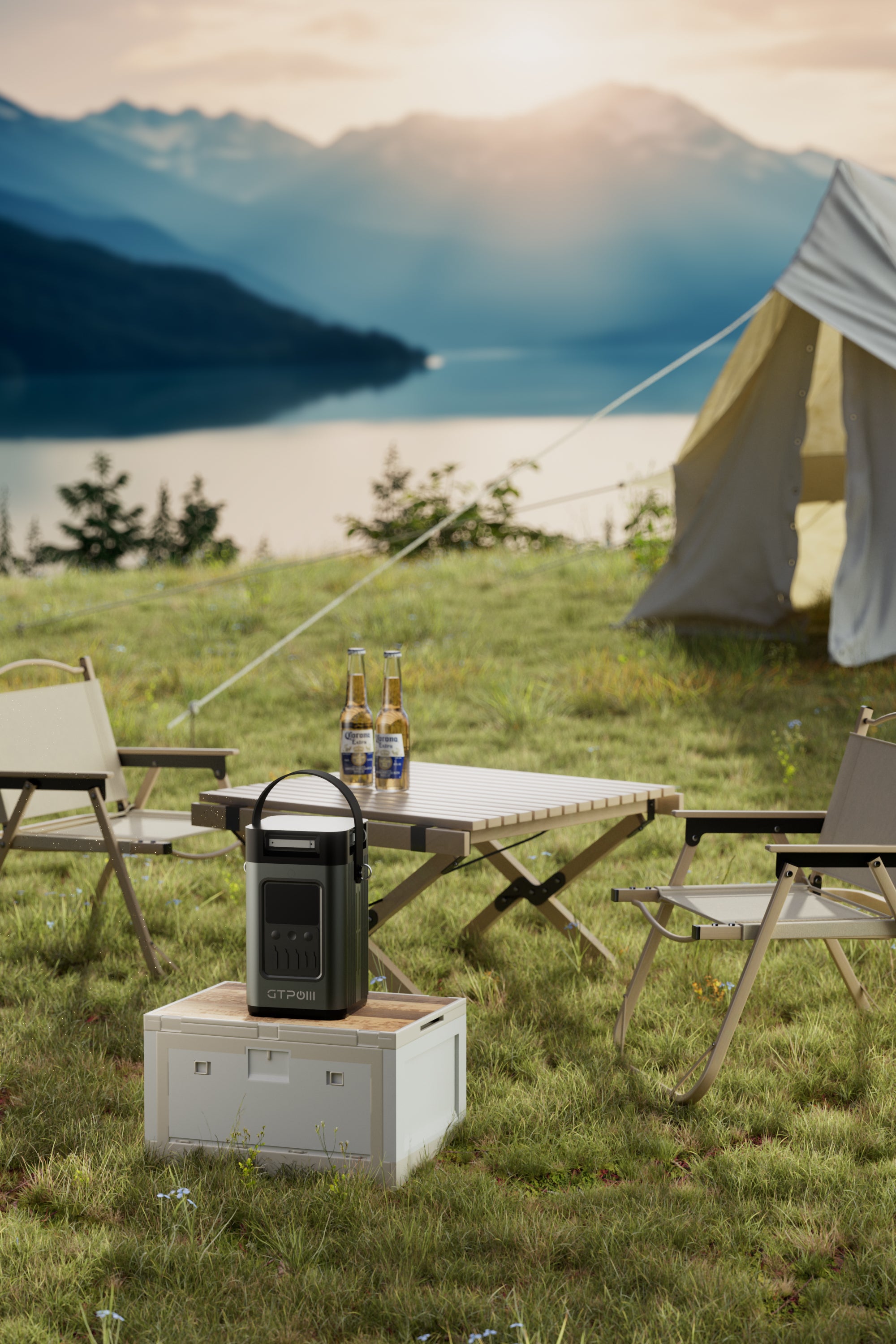
Are Foldable Solar Panels Actually Efficient?
In recent years, foldable solar panels have become more and more common in the U.S., especially among people who love camping or traveling in RVs. And almost everyone new to them asks the same question: are they actually efficient?
The answer isn’t black and white—but generally speaking, for the situations they’re designed for, they work well and get the job done.

So, how efficient are they?
Most foldable solar panels on the market today use monocrystalline cells, with efficiency rates around 18% to 23%. That’s honestly not bad at all, and the gap compared to traditional rigid panels isn’t as big as many people think.
The real difference comes from how they’re used. Unlike rooftop panels, these aren’t fixed in place. You might lay them on the ground, on top of your car, or wherever you find space. The angle might not be perfect, and sometimes trees or shade get in the way. All of that can affect real-world performance.
That said, in sunny parts of the U.S.—like California, Arizona, or Nevada—they perform pretty well. On a good day, they can easily keep a portable power station charged.
How do people in the U.S. actually use them?
In the U.S., foldable solar panels are rarely used as a primary power source. Instead, they’re more of a backup or supplemental option.
The most common use cases are:
- Camping
- RV travel
- Emergency backup power
For example, many people pair them with portable power stations (like Jackery or EcoFlow). During the day, the panels charge the battery, and at night, that stored power runs phones, lights, or even small appliances.
So for most users, efficiency isn’t just about numbers—it’s about convenience and usability.
How do they compare to rigid solar panels?
If you’re only comparing raw efficiency, rigid panels—especially rooftop systems—are more consistent. They’re installed at optimal angles and positioned for maximum sunlight throughout the day.
But foldable panels have one big advantage: flexibility.
You can move them around and adjust their position as the sun moves. That flexibility can sometimes make up for the lower efficiency in real-world use.
Are they worth it?
Here’s the honest take:
👉 If you want to power an entire house, these aren’t enough
👉 But for camping, RV trips, or emergency use, they’re incredibly practical
So it’s not that foldable solar panels are inefficient—it’s that they’re not meant for heavy-duty use in the first place.
In a country like the U.S., where outdoor lifestyles are popular, they’ve taken off for a reason: they’re portable, convenient, and simply get the job done.