What Are Portable Solar Panels Used For? 7 Common Uses
Portable solar panels are solar panels you can take with you. They fold, pack down, and set up wherever you need power. For most portable setups, there is no permanent installation, no electrician, and no permit process. You place the panels in the sun, connect them to a portable power station or compatible device, and start charging.
People often think of portable solar panels as camping gear, but they are used for much more than that. They can help with outdoor recreation, emergency backup, remote work, photography, tool charging, and small home power needs.
Here are the most common ways people use them.
How Portable Solar Panels Work
Most portable solar panels are used with a portable power station.
The basic setup is simple:
- unfold the solar panel;
- place it in direct sunlight;
- connect it to a portable power station;
- let the battery charge;
- use the power station to run or charge your devices.
Some portable panels can charge phones, tablets, or small devices directly through USB ports. But for most users, charging a power station first is the better option. A power station gives you steadier output, stores energy for later, and keeps your devices charging even when clouds pass over the sun.
1. Camping, RV Trips, and Outdoor Recreation
Camping is one of the most common uses for portable solar panels.
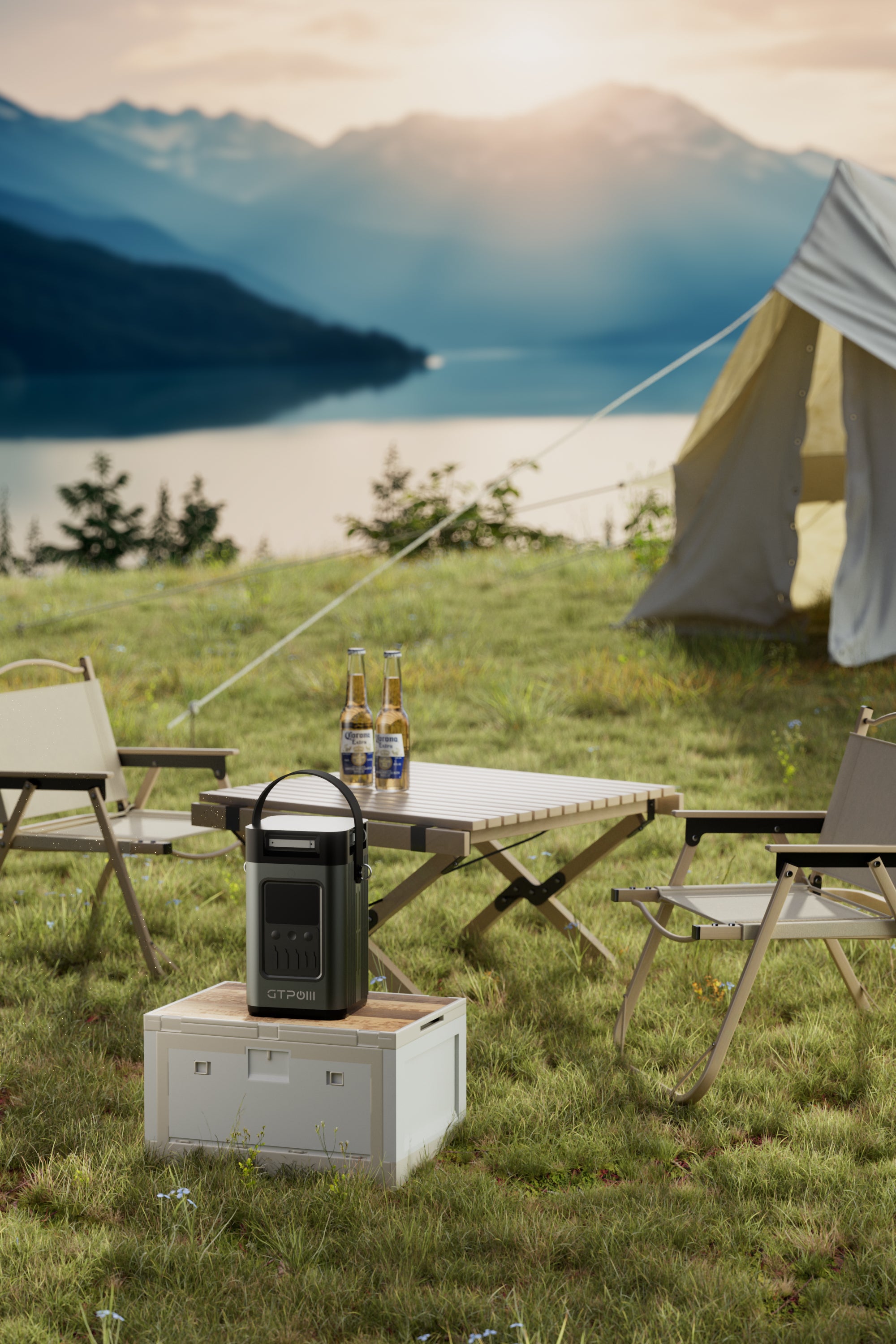
At a campsite, a portable solar panel can charge a power station during the day while you are hiking, fishing, cooking, or relaxing. Later, that stored power can run lights, charge phones, power a small fan, keep a camera charged, or support a portable fridge.
Portable solar panels are also useful for:
- RV trips;
- van life;
- overlanding;
- backpacking;
- fishing trips;
- boating;
- beach days;
- music festivals;
- tailgating;
- backyard gatherings.
For short trips, a small panel may be enough to keep phones and lights charged. For longer off-grid trips, a larger folding panel paired with a power station can make a big difference.
2. Emergency Backup Power
Portable solar panels are also useful during power outages.
Storms, wildfires, heat waves, and grid failures can leave homes without electricity for hours or days. A portable solar panel paired with a power station will not run an entire house, but it can keep essential devices powered.
Common emergency uses include:
- charging phones;
- running LED lights;
- powering radios;
- keeping Wi-Fi or communication gear online;
- charging medical devices;
- running small fans;
keeping rechargeable batteries ready.
For emergency kits, portable solar works best when paired with a charged power station. The panel helps recharge the battery during the day, so you have usable power at night.
This is one reason more homeowners are keeping portable solar gear as part of their storm or outage preparation.
3. Remote Work and Off-Grid Job Sites
Portable solar panels are not just for recreation. They are also useful anywhere power outlets are hard to find.
Construction crews, surveyors, field researchers, farmers, inspectors, and outdoor technicians often work in places where grid power is not available. Portable solar panels can help charge batteries and small electronics without relying on a fuel generator.
- Common job-site uses include:
- charging cordless tool batteries;
- powering laptops;
- charging tablets and phones;
- running small test equipment;
- charging GPS devices;
- keeping communication gear online;
supporting lights at temporary work areas.
For remote jobs, solar panels are quiet, clean, and easy to move from one location to another. They are especially useful when noise, fuel storage, or generator maintenance is a problem.
4.Photography, Drones, and Field Gear
Outdoor photographers, filmmakers, drone pilots, and content creators often carry a lot of battery-powered gear.
A portable solar panel can help recharge:
- camera batteries;
- drone batteries;
- gimbal batteries;
- laptops;
- monitors;
- LED lights;
- phones and tablets;
- portable hard drives.
This is especially helpful during long shoots in remote areas, national parks, campsites, farms, beaches, or mountain locations.
Most users charge a portable power station first, then charge their camera or drone batteries from that station. This gives more stable power than plugging sensitive gear directly into a solar panel.
5.Backyard, Patio, Shed, and Balcony Use
Portable solar panels can also be useful around the home.
If you have a sunny patio, balcony, deck, shed roof, or backyard, you can use portable solar to charge a power station during the day. That stored power can help run small daily loads or keep backup power ready.
Home uses include:
- charging tool batteries;
- powering outdoor lights;
- running small fans;
- charging phones and laptops;
- powering a Wi-Fi router during an outage;
- keeping a portable fridge or cooler running outdoors;
supporting backyard parties or outdoor movie nights.
For renters or apartment dwellers, portable solar can be a practical option because it does not always require permanent installation. Just make sure your building rules allow panels on balconies or shared outdoor spaces.
If you are looking at plug-in balcony solar systems that connect to household wiring, check local electrical rules first. Those systems may have different requirements from a portable panel charging a power station.
Why Portable Solar Panels Are Becoming More Popular
Portable solar is growing because it solves several everyday problems.
People want power for camping, road trips, and outdoor events. Homeowners want backup options during outages. Remote workers and field crews need charging options away from the grid. Renters and apartment users want smaller solar solutions that do not require a full rooftop system.
The technology has also improved. Modern portable solar panels are lighter, more efficient, easier to fold, and easier to pair with portable power stations.
GTPOW offers portable solar panels and portable power stations for these kinds of use cases, from weekend camping and backyard power to emergency backup and remote work. The goal is simple: reliable power when a wall outlet is not nearby.
FAQ
Can portable solar panels charge devices directly?
Yes, some portable solar panels have built-in USB ports or voltage regulation, so they can charge phones, tablets, and small devices directly.
For better results, it is usually best to charge a portable power station first, then use the power station to charge your devices. Solar output changes with clouds, shade, heat, and panel angle. A power station gives you steadier power.
How long does it take to charge a power station with a portable solar panel?
It depends on the panel wattage, sunlight, panel angle, temperature, and the size of the power station.
As a rough example, a 100W portable solar panel may take around 4 to 6 hours to charge a 300Wh power station in strong sunlight. In cloudy weather or poor sun angles, it can take much longer.
Are portable solar panels waterproof?
Some are water-resistant, but not all are fully waterproof.
Check the IP rating before using a panel outdoors. For example, IP65 usually means the panel can handle dust and water spray. IP67 offers stronger water protection. Even with a good IP rating, avoid leaving folding fabric panels in heavy rain for long periods unless the manufacturer says it is safe.
Can portable solar panels work on cloudy days?
Yes, but output will be much lower.
On cloudy days, a solar panel may produce only a small part of its rated power. The exact output depends on cloud cover, panel quality, and light conditions. This is another reason to use a power station. It stores energy when sunlight is strong and helps smooth out the ups and downs.
What can a portable solar panel power?
By itself, a portable solar panel usually charges batteries rather than directly running large appliances. Paired with a power station, it can help power phones, lights, laptops, cameras, routers, fans, small coolers, tool batteries, and other small to medium devices.
The actual limit depends on the solar panel size and the power station capacity.
The Bottom Line
Portable solar panels are used anywhere people need power away from a wall outlet. They are common for camping, RV trips, outdoor events, emergency backup, remote work, photography, tool charging, and small home uses.
For most people, the best setup is a portable solar panel paired with a portable power station. The panel collects energy during the day, and the power station stores it for when you need it.
If you want a simple way to charge devices outdoors, prepare for outages, or support small off-grid power needs, portable solar is one of the easiest options to start with.