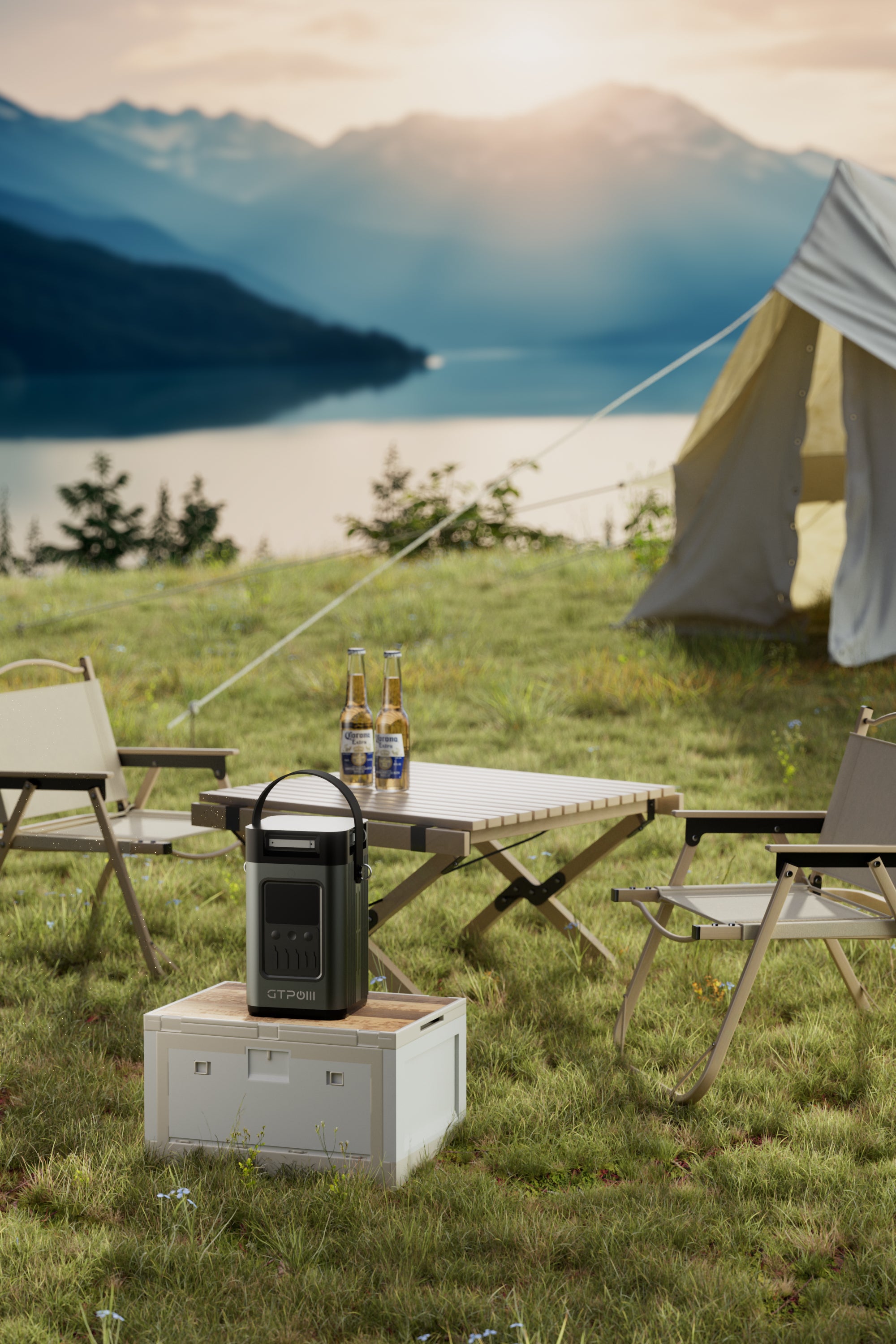
折り畳み式ソーラーパネル: 単結晶 vs. 多結晶
16 Apr 2026
0 コメント
キャンプやRV旅行が好き、あるいはオフグリッド電源が必要な人は、おそらくこう考えたことがあるでしょう。「単結晶か多結晶か?」 折りたたみ式ソーラーパネル? 専門用語に悩む必要はありません。実際の屋外経験に基づき、分かりやすい言葉で違いを解説します。初心者の方でも、ニーズにぴったりのソーラーパネルをお選びいただけます。

単結晶と多結晶の違いは何ですか?
どちらもシリコンをベースとした太陽電池パネルですが、結晶構造が異なります。単結晶シリコンは単一の固体シリコン結晶を使用するのに対し、多結晶シリコンは小さなシリコン片を溶かして混合して作られます。この違いが、性能、価格、そして最適な用途を左右します。
単結晶折りたたみ式ソーラーパネル:アウトドア愛好家のイチオシ
濃い黒色と丸みを帯びたエッジが特徴的な単結晶パネルは、高純度シリコン(チョクラルスキー法、つまりシリコンを溶かしてインゴットにし、それを薄片にスライスする製法)から作られています。屋外での使用頻度が高いユーザーにとって最適な選択肢であり、その理由は以下のとおりです。
- 非常に効率的:電子がスムーズに流れるため、より速く発電します(効率18~22%、プレミアムモデルでは最大24%)。
- コンパクト & 耐久性:バックパックに収納できるほどコンパクトに折りたため、強化されたヒンジと耐候性コーティングにより、風雨や過酷な使用にも耐えます。
- あらゆる天候で信頼性を発揮:散乱光を捉えるため、曇りの日、早朝、夜遅くでも機能します。
多結晶折りたたみ式ソーラーパネル:お手頃価格 & カジュアル
青みがかった斑点模様と四角いセルが特徴的な多結晶パネルは、製造が簡単で(しかも安価)です。最高レベルの性能を必要としない一般ユーザーに最適です。
- 手頃な価格:単結晶シリコンよりも15~25%安いため、予算の限られた初心者にも最適です。
- 普段使いに最適:週末のキャンプや小型機器(スマートフォン、モバイルバッテリーなど)の充電に最適です。
- 十分な耐久性:丁寧に扱えば20~25年持ち、短期旅行や時折の使用に最適です。
主な違いを一覧で示す
派手なスペックは一切なし。決断に必要な実用的な詳細情報のみを掲載します。
1. 電力効率
単結晶:18~22%(最大24%)—充電速度が速く、サイズに対してより多くの電力を供給します。多結晶:13~16%—充電速度は遅いものの、小型デバイスや日常的な使用には十分です。
2. 屋外での適応性
単結晶:どんな天候(曇り、低照度)でも動作し、直射日光は不要です。多結晶:直射日光が必要で、日陰や曇りの条件下では効率が低下します。
3. 耐久性 & 寿命
単結晶:25年以上の寿命、折り曲げによる摩耗に強く、IP65/IP67防水。多結晶:20~25年の寿命、頻繁な折り曲げにより効率が低下する場合があります(それでも日常的な使用には十分です)。
4. 価格
単結晶:高価(100Wで150~200ドル以上)だが、頻繁に使用する場合には価値がある。多結晶:手頃な価格(100Wで100~150ドル)で、たまに使う場合に最適。
5. 携帯性
単結晶:省スペース性に優れ、同じ出力をより小型軽量で実現(バックパッキングに最適)。多結晶:同じ出力でもやや大型で重量も増す(車のトランクやキャンピングカーでの使用に最適)。
どちらを選ぶべきでしょうか?
単結晶を選ぶべきなのは、次のような場合です。
- バックパック旅行、キャンピングカーでの長期滞在、またはオフグリッド生活(太陽光発電を頻繁に利用)。
- 予測不可能な天候(曇り、薄暗い)の中でキャンプをする。
- 長持ちして手間のかからない投資をお望みですか?
- より良いパフォーマンスのためなら、初期費用が高くても構わない。
多結晶シリコンを選ぶべきなのは、次のような場合です。
- たまに(週末に)キャンプに行き、小型機器のみを充電する。
- 予算が限られていて、エントリーレベルのパネルが必要です。
- 太陽光は、直射日光が十分に当たる場所で利用しましょう。
- パネルを長距離運ぶ必要はありません。
初心者向けアドバイス:避けるべき間違い
- 防水等級: IP65/IP67規格を選択してください。雨水は保護されていないパネルを損傷させます。
- ポートの種類: USB-C、USB-A、MC4ポートを備えたパネルをお選びください(追加のアダプターは不要です)。
- 折りたたみ式デザイン: ヒンジが強化されていて、持ち運び用のケースが付いているものを選びましょう。壊れやすい、華奢なモデルは避けましょう。
- ブランド評判: 20~30年の保証が付いている信頼できるブランドを選びましょう。無名のパネルはすぐに壊れてしまいます。
皆様のご参加をお待ちしております!ポータブルソーラー電源を必要とする、最も一般的なアウトドアアクティビティは何ですか?高効率の単結晶パネルと、コストパフォーマンスの高い多結晶パネルのどちらがお好みですか?ぜひ下のコメント欄に、ご自身の経験を共有したり、質問したり、購入予定のパネルについて教えてください。あらゆる冒険に最適な折りたたみ式ソーラーパネル選びを、皆で協力して進めましょう!さらに詳しい情報をお知りになりたい場合は、 お問い合わせ。
タグ: