ポータブルソーラーパネルはバッテリーを過充電する可能性がありますか?
はい、ポータブルソーラーパネルをソーラー充電コントローラーなしで直接接続すると、バッテリーを過充電する可能性があります。 12Vシステム向けに設計されたポータブルソーラーパネルは、通常18V~22Vを出力します。電圧調整装置がない場合、この過剰な電圧は満充電されたバッテリーに継続的に電流を流し込み、永久的な容量低下、過熱、またはバッテリーの致命的な故障につながります。
太陽光パネルはどのようにしてバッテリーを過充電するのでしょうか?
過剰請求がどのように発生するかを理解するには、次の関係性を検討する必要があります。 ソーラーパネルの開放電圧(Voc) そして バッテリーの公称電圧.
「12Vパネル」と表示された標準的なポータブルソーラーパネルは、実際には12ボルトを出力するわけではありません。12Vバッテリーに電流を流すには、パネルはより高い電圧(電気圧力)を発生させる必要があります。そのため、ほとんどの100W~200Wのポータブルパネルは、 >18Vと22V 日差しが最も強い時間帯。
生の太陽光パネルをバッテリーに直接接続すると、パネルは高電圧をセルに継続的に供給します。バッテリーが100%充電状態(SoC)に達すると、入力されたエネルギーを化学容量として蓄えることができなくなります。代わりに、その余剰の電気エネルギーは 純粋な熱エネルギー, バッテリーを過充電状態に陥らせる。
バッテリーの種類別過充電の影響
- リチウムイオン/リン酸鉄リチウム電池: 現代のリチウム電池は過電圧に非常に敏感です。過充電は内部の化学構造にストレスを与え、膨張を引き起こし、 BMS(バッテリー管理システム) 切断したり、極端な場合には熱暴走を引き起こしたりする。
- 鉛蓄電池/AGM電池/ゲル電池: 過電圧が発生すると、内部の電解液が沸騰し、水素ガスと酸素ガスに変化します。密閉型のAGMバッテリーやゲルバッテリーでは、この圧力上昇によりケース内部が膨張し、乾燥して、充電能力が永久に失われる可能性があります。
究極のプロテクター:ソーラー充電コントローラー
ポータブルソーラーシステムがバッテリーを損傷するのを防ぐには、 ソーラー充電コントローラー (ソーラーレギュレーターとも呼ばれる)を回路に組み込みます。このデバイスはインテリジェントなゲートキーパーとして機能し、バッテリーのリアルタイム電圧を監視し、バッテリーが満充電になるとソーラー電流を制限または停止します。
ポータブルソーラーキットを組み立てる際には、主に2種類の充電コントローラーに出会うでしょう。
| コントローラータイプ | 効率評価 | 最適な使用例 | 過充電保護機能? |
|---|---|---|---|
| PWM(パルス幅変調) | 70%~75% | 小型ポータブルセットアップ(<100W)、予算重視のユーザー | はい(スマートスイッチとして機能します) |
| MPPT(最大電力点追従) | 90%~95% | 大型ポータブルセットアップ(>100W)、曇りまたは天候が変わりやすい | はい(電圧/電流を最適化します) |
例外的な状況:安全な場合と危険な場合とは?
1. 小型ソーラーパネル(5W~10W)で大型バッテリーを過充電することは可能ですか?
技術的には可能だが、実際には非常に時間がかかる。5ワットの小型ソーラーパネル(例えば、100Ahの大容量船舶用バッテリーやトラック用バッテリー)を使用する場合、バッテリーの自然な自己放電率によって、パネルから供給される微弱な電流が相殺される可能性があります。しかし、完全に無制御で数ヶ月間接続したままにしておくと、バッテリーは徐々に劣化していきます。
2. ポータブル電源(Jackery、EcoFlow、GTPOWなど)は過充電しますか?
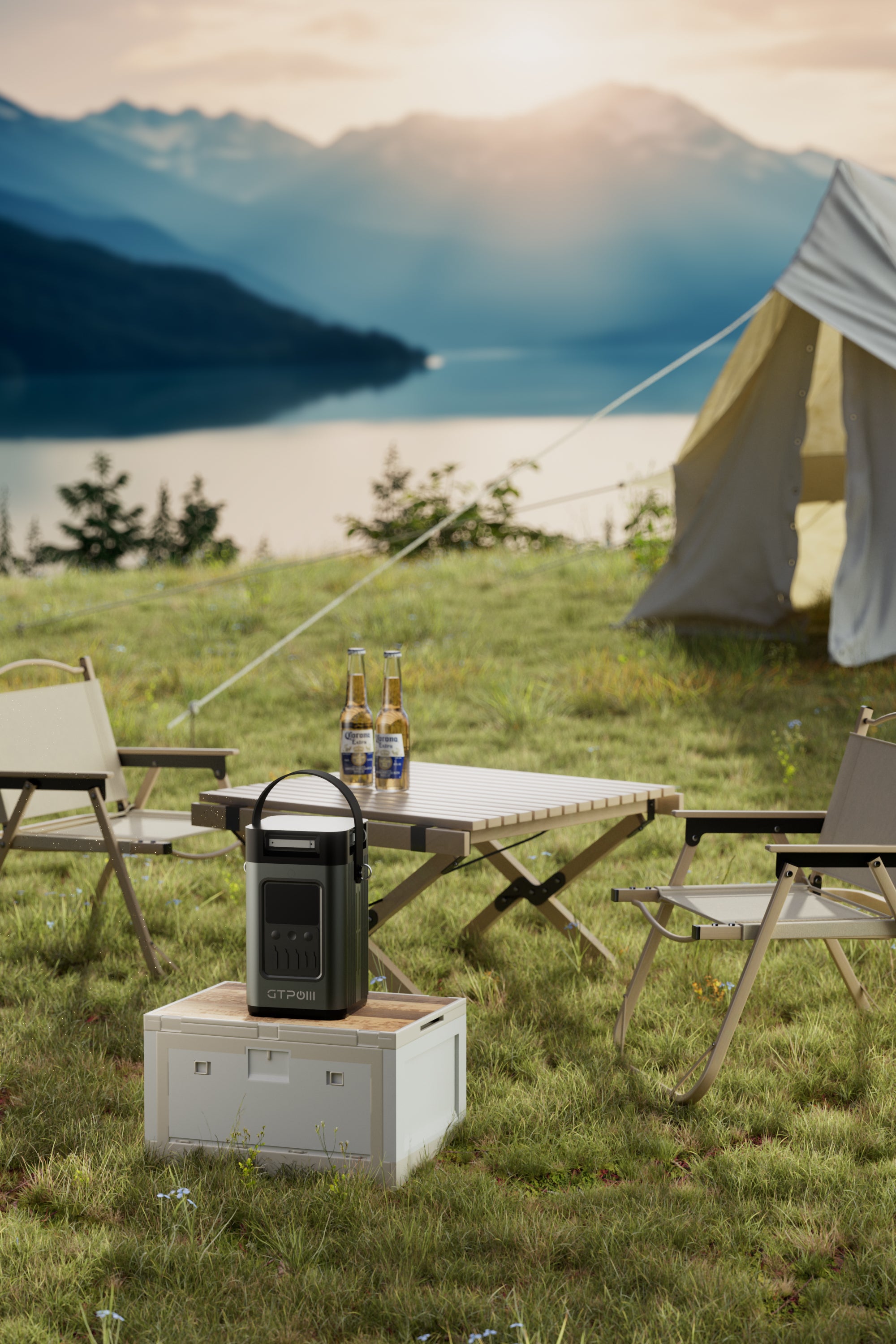
いいえ。 ポータブルソーラーパネルを一体型ポータブル電源(ソーラー発電機)に直接接続する場合、外部コントローラーは不要です。これらのユニットには、高度なMPPTコントローラーと統合型バッテリー管理システム(BMS)が内蔵されており、内蔵リチウムイオン電池の充電率が100%に達すると、パネルからの電力供給を自動的に停止します。
携帯型ソーラーパネルを安全に使用するための4つのステップ
オフグリッドシステムを過電圧による損傷から確実に保護するためには、以下の手順を正確に実行してください。
- 装備品を確認してください: 点検してください ポータブルソーラーパネル. キャンプ用に設計された折りたたみ式ソーラーブランケットやスーツケースの多くは、背面にPWMまたはMPPTコントローラーがプリインストールされています。もしあなたのものがMC4またはDC出力のみの「ソーラーブランケット」であれば、 しなければならない 外部コントローラーを購入してください。
- コントローラーのサイズを適切に選びましょう: 充電コントローラーがソーラーパネルの発電電流に対応できることを確認してください。例えば、100Wのポータブルソーラーパネルは約5.5アンペアの電流を発電します。標準的な10Aまたは20Aの充電コントローラーであれば、この負荷を安全に処理できます。
- 正しい順序で接続してください。 キャンプ場でシステムをセットアップする際は、電子機器の故障を防ぐため、必ず以下の手順に従ってください。
1. まずコントローラーをバッテリーに接続してください。 (コントローラーがバッテリーの種類を検出し、制限を設定できるようにする。)
2. ポータブルソーラーパネルをコントローラーに2番目に接続します。 - 電圧段階を監視する: 正常な充電コントローラーは、次の3つの明確な段階を経て動作します。 大量 (最大電流) 吸収 (ほぼ最大容量に近い定電圧) フロート (過充電を防ぎつつ100%の状態を維持するための低電圧トリクル充電)。コントローラーのLCD画面またはアプリで、正常に「フロート」モードに移行したことを確認してください。
よくある質問(FAQ)
Q1:ソーラーパネルを12Vの自動車用バッテリーに直接接続して、車のエンジンを始動させることはできますか?
いいえ。ソーラーパネルでは、バッテリー上がりの車のエンジンを始動させるのに必要な大電流を生成することはできません。さらに、レギュレーターを使用せずにソーラーパネルを車のバッテリーに直接長時間接続すると、バッテリープレートが損傷します。
Q2:ソーラーバッテリーが過充電になっているかどうかを知るにはどうすればよいですか?
過充電の兆候としては、バッテリーケースが触ると熱く感じる、腐った卵のような臭いがする(鉛蓄電池の場合は硫黄ガスが放出される)、バッテリーケースが膨張する、マルチメーターの電圧値が規定値を超える、などが挙げられます。 14.6V 標準的な12V鉛蓄電池システム用。
Q3:折りたたみ式ソーラーパネルは、曇りの日には発電を停止しますか?
いいえ、単に出力が低下するだけです。ソーラーパネルは周囲の紫外線から発電するため、曇りの日でも電圧は発生します。ただし、太陽が突然雲間から顔を出した際に過充電を防ぐためには、充電コントローラーが必要です。