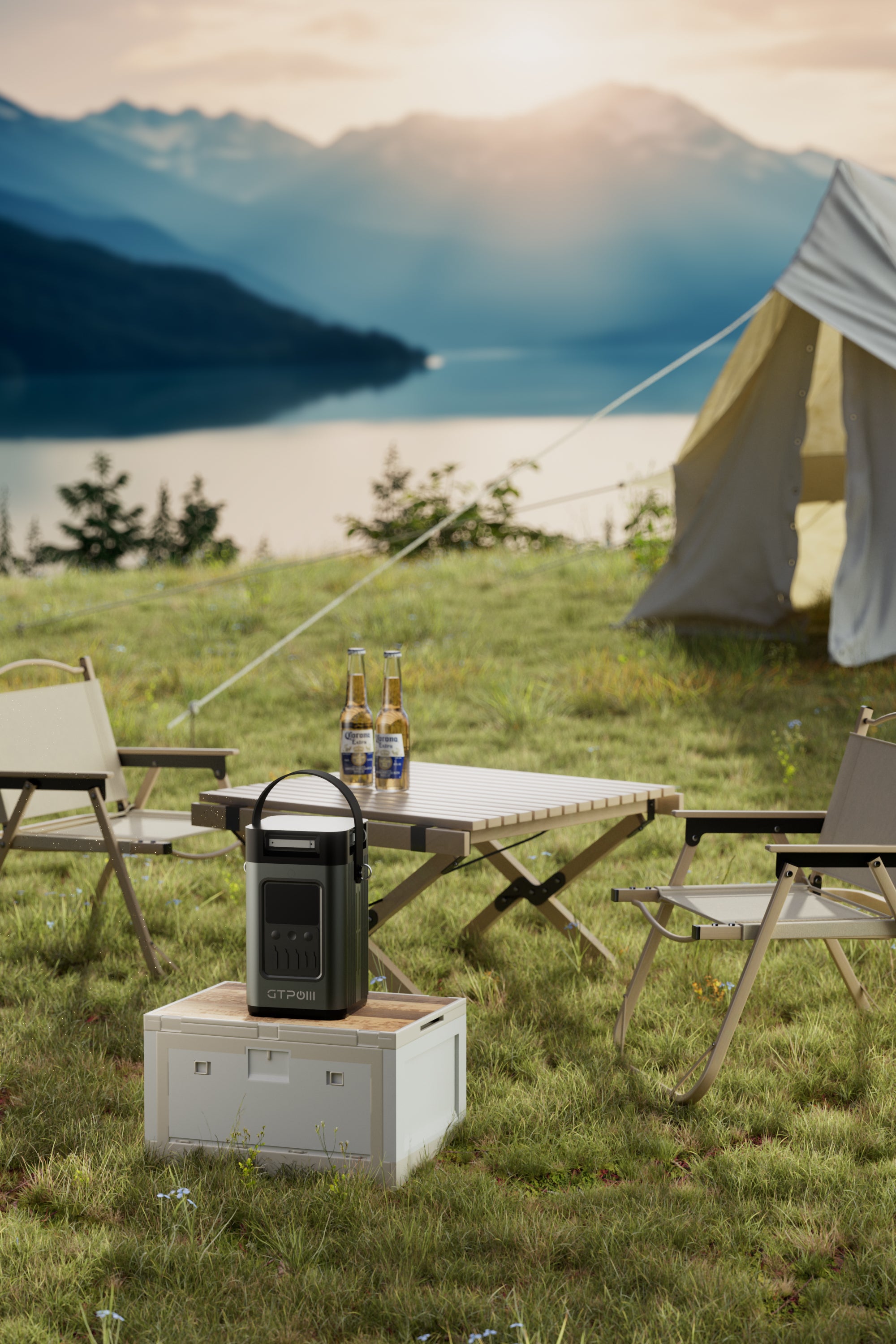
ポータブルソーラーパネルパワーバンクは防水ですか?
17 Jun 2026
0 コメント
導入
アウトドア愛好家なら誰でも一度は経験したことがあるでしょう。キャンプやハイキングに携帯用ソーラーパネル式モバイルバッテリーを持っていったのに、突然の雨に見舞われた時のことです。湖の水しぶき、夜露、あるいは予期せぬ小雨など、水に触れるとソーラー充電器が故障してしまうのではないかと、誰もが不安になるものです。
多くの販売業者は、「屋外防水」「防雨設計」といった曖昧なマーケティング用語を使って購入者を混乱させ、予期せぬ機器の損傷につながることがあります。この簡潔なガイドでは、ソーラーパワーバンクの防水性能について分かりやすく解説し、専門的なIP防水規格について説明するとともに、屋外の濡れた環境での実用的な使用方法や購入のヒントをご紹介します。
1. ポータブルソーラーパネル式モバイルバッテリーは防水ですか?
簡単に言うと: ほとんどのポータブルソーラーパネル電源バンクは防滴仕様で、完全防水ではありません。.
このデバイスは防水性能の異なる2つの部分から構成されています。ETFE製のソーラーパネル表面は撥水性があり、小雨程度であれば損傷なく滑り落ちます。しかし、露出している充電ポートと内部のバッテリー回路は脆弱です。ポートに水が浸入すると、ショート回路が発生し、ハードウェアに永久的な損傷を与える可能性があります。
防滴仕様≠防雨仕様≠水中防水仕様ではありませんのでご注意ください。通常の防滴仕様のソーラー充電器は、大雨の中では絶対に使用しないでください。
2. 耐水性 vs 防水性:根本的な違い
多くの販売者は、顧客を引き付けるために、これら2つの概念を意図的に混同しています。以下に、両者の明確な比較を示します。
- 耐水性(防滴): ほとんどの低価格ソーラーパワーバンクに共通する基本的な保護機能です。偶発的な水しぶき、朝露、小雨程度なら対応できますが、長時間の豪雨や流水には耐えられません。
- 完全防水: 公式のIP規格認証を取得した製品のみにご利用いただけます。完全密閉構造の内部構造とカバー付きポートプラグにより、長時間の雨天暴露や短時間の水接触に対応します。
重要な注意点: 「耐候性」や「屋外防水」といった説明は、実際の防水性能を保証するものではありません。誇大広告の謳い文句に惑わされることなく、必ず製品に表示されているIP等級を確認してください。
3. 屋外用ソーラーパワーバンクのIP規格ガイド
IP等級は、防水レベルを判断する唯一の権威ある基準です。IPコードの2桁目は防水性能を表します。以下は、実際の屋外シーンに合わせた分かりやすい等級表です。
| IPレーティング | 防水性能 | 適用可能なシナリオ |
|---|---|---|
| IPX4 | 全面的な防滴性能 | 乾燥したキャンプ、朝露、時折の水しぶき |
| IP65 | 低圧水流耐性、防塵 | 毎日のキャンプ、小雨の日、ドライブ旅行 |
| IP66/IP67 | 強力な水流に耐える/浅い水に30分間浸水可能 | 険しい山道でのハイキング、嵐の天候、屋外での緊急時の使用 |
4. 雨天時の使用ルール:やっていいこととやってはいけないこと
1.安全な使用状況
- 朝露を防ぐため、ソーラーパワーバンクを夜間屋外に置いておく。
- 屋外活動中に川や湖から水が飛び散る事故
- すべてのポートのゴム栓がしっかりと密閉された状態で、短時間の断続的な小雨が降る。
2. 禁止されている操作
- 長時間の屋外設置で、継続的な豪雨にさらされる
- 機器を直接流水で洗い流す
- 雨天時にデバイスを水に浸したり、ポートを開けたまま使用したりしないでください。
緊急時の対処法に関するヒント: ソーラーパワーバンクが誤って濡れてしまった場合は、すぐに電源を切り、接続されているすべての機器を外し、24~48時間かけて完全に自然乾燥させてから再利用してください。濡れた状態では絶対に使用したり充電したりしないでください。
5.購入ガイド:防水ソーラーパワーバンクの選び方
天候が変わりやすい日に外出することが多い場合は、耐久性のある防水ソーラーパネル式モバイルバッテリーを選ぶための、以下の5つの簡単な購入のヒントを参考にしてください。
- IP65以上の等級のモデルを選び、雨天時の屋外使用には基本的なIPX4製品は避けてください。
- すべての充電ポートに、厚みのある密閉型ゴム製防水プラグが取り付けられていることを確認してください。
- 防水性と耐摩耗性に優れたETFEラミネート加工ソーラーパネルをお選びください。
- CE、FCC、RoHSの安全認証をすべて確認してください。
- 過酷な屋外環境向けに、防塵・耐衝撃機能が強化されたモデルを優先的に検討する。
6.製品寿命を延ばすための日常メンテナンスのヒント
- 屋外での太陽光充電中は、すべてのゴム製ポートプラグを閉じたままにしてください。
- 使用しないときは、モバイルバッテリーを専用の防水バッグに入れて保管してください。
- 内部シールの腐食を防ぐため、海水との長期接触を避けてください。
- 雨天時の屋外使用後は、表面の水滴や埃を速やかに拭き取ってください。
結論
結論として、一般的なポータブルソーラーパネルパワーバンクのほとんどは、完全防水ではなく防滴性能のみをサポートしています。雨の多い地域での頻繁なアウトドアキャンプやハイキングには、IP65+ のものにアップグレードすることをお勧めします。 防水ソーラーパワーバンク が最良の選択です。
誇張された防水性能の広告文句は決して信用しないでください。公式のIP規格が最も信頼できる指標です。適切な使用方法と日常的なメンテナンスを行うことで、水濡れによる損傷を効果的に防ぎ、ソーラー充電器の寿命を延ばし、あらゆるアウトドア旅行で安定した電力供給を実現できます。
よくある質問
- Q:ソーラーパワーバンクを夜間屋外に置いておいても大丈夫ですか? A:通常の朝露には耐えられますが、雨が予想される場合は屋内に移動させてください。
- Q:通常のキャンプではIPX4等級で十分ですか? A:ドライキャンプに最適です。アウトドア旅行中に突然の雨が頻繁に降る場合は、IP65規格の防水性能をお勧めします。
- Q:水濡れによる損傷は、ソーラーパワーバンクの保証を無効にしますか? A:はい。ほとんどのブランドは、水の浸入による損傷に対して無償保証サービスを提供していません。
タグ: