How to Harness the Sun from Both Sides: A Practical Guide to the GTPOW 40W Bifacial Portable Solar Panel
Your field guide to understanding dual-sided solar technology and getting the most out of every ray of light
The Problem with Traditional Solar Panels
If you've ever used a conventional portable solar panel, you know the drill: angle it perfectly toward the sun, pray for clear skies, and accept that a good chunk of sunlight is simply wasted. Traditional single-sided panels only capture light that hits their front surface. The light that bounces off the ground, reflects off nearby surfaces, or scatters through clouds? That energy is lost forever.
But what if you could capture that reflected light too?
Enter Bifacial Solar Technology
The GTPOW 40W Bifacial Portable Solar Panel represents a fundamental shift in how portable solar works. Instead of a single light-absorbing surface, it uses high-efficiency N-type monocrystalline silicon cells on both sides. The front panel captures direct sunlight, while the rear panel harvests reflected light from the ground, water, sand, or any surrounding surface.
The result? A 25-30% boost in overall efficiency compared to single-sided panels of the same rated power.
Think of it this way: a 40W single-sided panel might give you 40W in perfect conditions. The GTPOW bifacial panel? It can deliver 25-30% more power yield from the same footprint. That's like getting a 50W panel in a 40W package.
How to Use It: A Step-by-Step Guide
Step 1: Choose Your Surface Wisely
The rear panel's performance depends entirely on what's beneath it. Light-colored, reflective surfaces produce the best results:
Snow – Excellent reflector (30% reflectivity)
Sand or light-colored concrete – Very good (20% reflectivity)
Grass or dark soil – Moderate (15% reflectivity)
Water – Good, especially on calm days
For maximum efficiency, position the panel over a reflective surface whenever possible. A white tarp, light-colored groundsheet, or even a reflective emergency blanket placed underneath can significantly boost rear-side power generation.
Step 2: Angle and Positioning
Unlike single-sided panels that demand perfect sun alignment, bifacial panels are more forgiving. The dual-sided design means you can capture energy from multiple angles simultaneously. However, for optimal performance:
Elevate the panel slightly off the ground (6-12 inches) to allow reflected light to reach the rear surface
Avoid placing it directly on dark, non-reflective surfaces
Tilt the front face toward the sun at roughly the angle of your latitude
Step 3: Connect Your Devices
The GTPOW solar panel features a versatile triple-port charging system: DC output, USB-A, and USB-C. This means you can charge multiple devices simultaneously:
USB-C output: 5V/2.5A for modern smartphones, tablets, and laptops
USB-A: Standard charging for most portable devices
DC port: Customizable for power bank, batteries, and other equipment
Step 4: Leverage the Built-In Battery
One of the most practical features is the detachable 5000mAh lithium battery. Here's why it matters:
Cloudy day backup – Store energy when the sun is shining, use it when clouds roll in
Pass-through charging – Charge your devices directly while the battery stores surplus power
Airline-friendly – The battery is removable, making it compliant with travel regulations
Real-World Scenarios
Scenario 1: Weekend Camping Trip
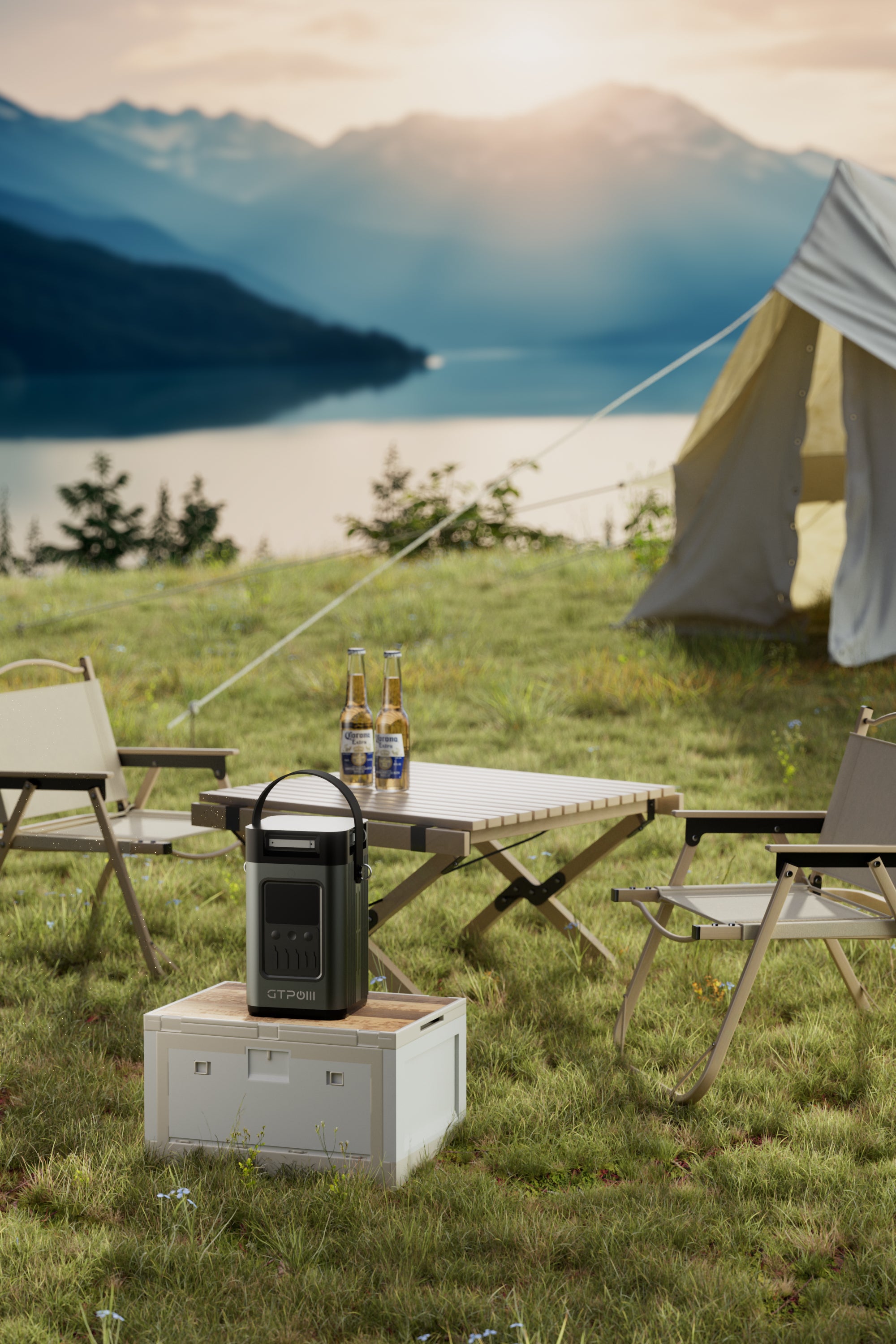
You set up camp near a lake. The water reflects sunlight onto the rear panel while the front captures direct sun. You charge your power bank during the day, then use it to run LED lights, charge phones, and power a small speaker at night. The IP67 waterproof rating means you don't worry about morning dew or unexpected rain.
Scenario 2: Emergency Preparedness
Power outages are unpredictable. Keep the GTPOW panel in your emergency kit. At 0.95kg (just over 2 pounds) and a compact 4-fold W-shaped design, it takes minimal storage space. When the grid goes down, you have reliable off-grid power for communication devices, medical equipment, and essential electronics.
Scenario 3: Overlanding and Road Trips
Mount the solar panel on the ground at camp. The wide operating temperature range (-18°C to +70°C) means it performs reliably from freezing mountain mornings to scorching desert afternoons. Charge your camera batteries, and navigation devices without draining your vehicle's starter battery.
Scenario 4: Remote Work Setup
Working from a cabin, van, or off-grid location? The panel's 25% high-efficiency monocrystalline cells deliver stable fast charging even in low-light conditions. The ETFE surface is wear-resistant and durable, standing up to frequent setup and takedown.
Why the GTPOW Stands Out
- Bifacial design – 25-30% more power from the same panel
- 0.95kg weight – Easy to carry, pack, and deploy
- 4-fold design – Fits in backpacks, glove boxes, and emergency kits
- IP67 rating – Withstands rain, dust, and harsh conditions
The GTPOW 40W Bifacial Portable Solar Panel isn't just a solar panel – it's a smarter way to think about portable power. By capturing light from both sides, it turns wasted reflected energy into usable electricity. Whether you're camping, preparing for emergencies, or simply want reliable off-grid power, this panel delivers more from every ray of sunlight.