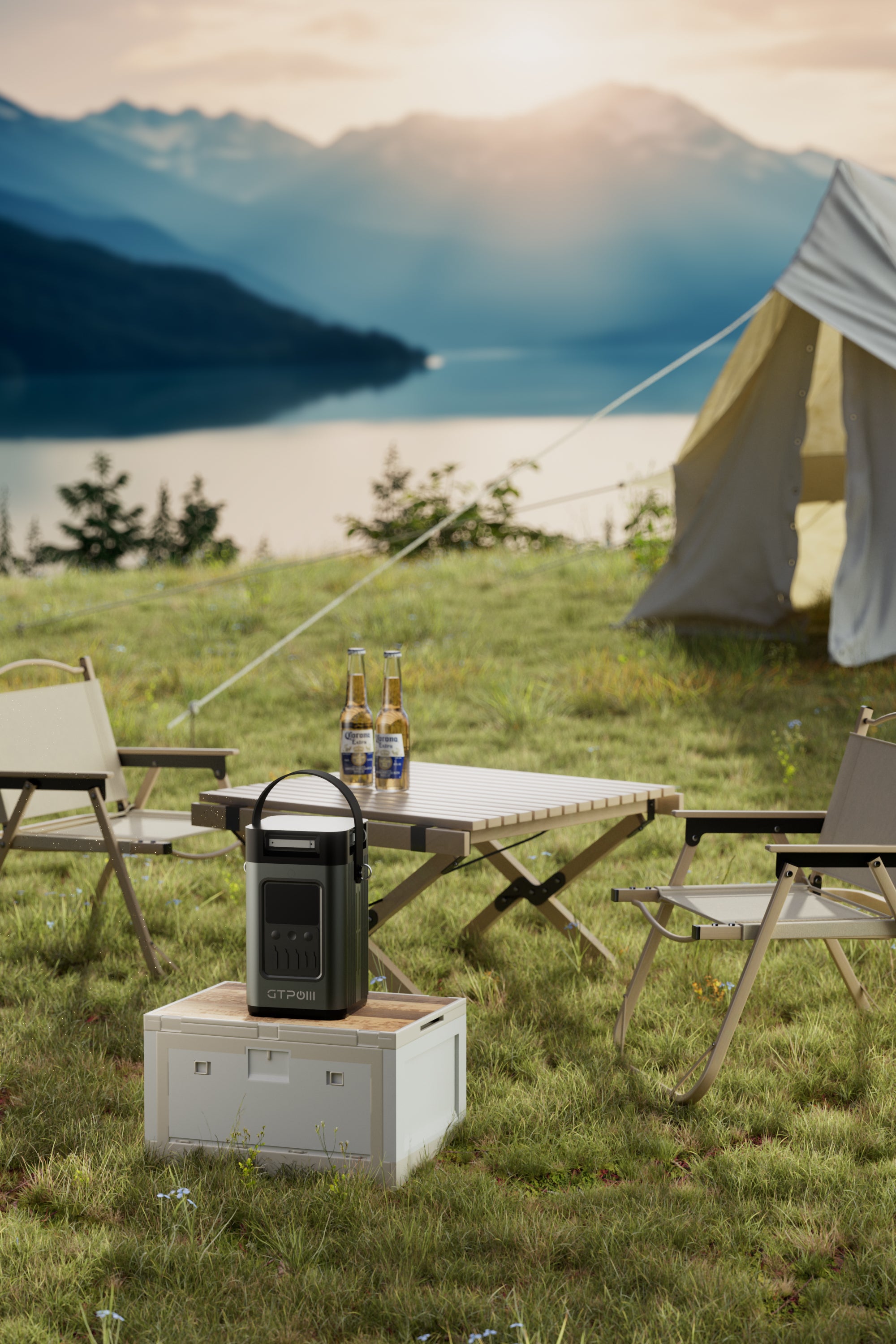
Panneau solaire pour le camping : Guide d'achat complet 2026 & Conseils pour l'alimentation hors réseau
Table des matières
- Pourquoi vous avez réellement besoin d'un panneau solaire pour le camping
- Caractéristiques essentielles à rechercher dans un panneau solaire de camping de qualité
- Guide des puissances des panneaux solaires : Choisissez la bonne taille pour votre voyage
- Scénarios de camping les plus courants & Conseils d'installation solaire
- Utilisation simple & Conseils d'entretien à long terme
- Points clés à retenir pour l'achat de camping
Pourquoi vous avez réellement besoin d'un panneau solaire pour le camping
Si vous avez déjà campé dans des parcs nationaux isolés aux États-Unis, en Europe ou en Australie, vous avez probablement rencontré un problème récurrent : la panne de batterie et l’absence de prise électrique à proximité. De nos jours, les excursions en plein air nécessitent bien plus qu’une simple tente et un sac de couchage. Téléphones pour la navigation, batteries externes, lampes de camping, mini-glacières et ventilateurs portables : tous ces appareils ont besoin d’une alimentation électrique fiable pour que votre séjour soit confortable et sûr.
C’est précisément pourquoi un fournisseur fiable panneau solaire pour le camping Les panneaux solaires portables sont devenus un équipement indispensable pour les activités de plein air, et non plus un simple accessoire de luxe. Contrairement aux installations solaires domestiques encombrantes ou aux générateurs à essence bruyants, les panneaux solaires portables pour le camping captent gratuitement la lumière du soleil pour recharger tous vos appareils en toute autonomie. Silencieux et écologiques, ils sont parfaitement adaptés aux conditions climatiques parfois imprévisibles auxquelles les campeurs sont régulièrement confrontés.
Que vous partiez camper en voiture le week-end en Amérique du Nord, camper en famille à travers l'Europe ou vivre au long cours en van à travers l'Australie, un panneau solaire pliable vous évite le stress de la panne de courant en pleine aventure. C'est aussi une solution de secours pratique en cas de coupure de courant imprévue à la maison, ce qui en fait un investissement judicieux tout au long de l'année.
Caractéristiques essentielles à rechercher dans un panneau solaire de camping de qualité
Tous les panneaux solaires portables ne sont pas adaptés au camping. De nombreux modèles économiques présentent un faible rendement, une étanchéité médiocre et une construction fragile qui les rend inutilisables après quelques sorties. Après avoir testé et étudié des dizaines de modèles pour une utilisation en extérieur, voici les caractéristiques essentielles que tout campeur devrait privilégier :
1. Cellules monocristallines à haut rendement
Pour le camping, les cellules solaires monocristallines sont toujours le meilleur choix. Avec un rendement de 22 % à 25 %, elles produisent plus d'énergie, même par temps nuageux, que les panneaux polycristallins traditionnels. C'est un atout majeur en extérieur, où l'ensoleillement est irrégulier. Un meilleur rendement se traduit par une charge plus rapide et une alimentation plus fiable lors des courtes sessions de camping.
2. Conception pliable et adaptée aux voyages
Les meilleurs panneaux solaires pour le camping sont conçus pour être facilement transportables. Les modèles de qualité se replient pour prendre une forme compacte, comparable à celle d'un ordinateur portable. Ils sont dotés d'un revêtement en tissu résistant, de poignées de transport intégrées et se rangent facilement dans un sac à dos, un sac de voyage ou un coffre de voiture. La plupart sont également équipés de supports réglables, permettant d'orienter le panneau vers la lumière directe du soleil afin d'optimiser la vitesse de charge, quel que soit l'emplacement de votre camping.
3. Météo fiable & Résistance à l'eau
Le camping implique de composer avec la rosée matinale, les averses soudaines, la poussière et les terrains sablonneux. Évitez les panneaux solaires bon marché et non homologués ; choisissez toujours un panneau solaire de camping avec… Indices de protection contre l'eau et la poussière IP65 ou IP67. Cette protection durable garantit que le panneau ne subira pas de court-circuit ni ne sera endommagé par des changements climatiques soudains ou une manipulation brutale en extérieur.
4. Compatibilité universelle des appareils
Ces panneaux solaires pratiques pour le camping offrent plusieurs options de sortie, notamment USB-A, USB-C PD (charge rapide) et alimentation CC. Leur conception universelle est compatible avec la quasi-totalité des stations d'alimentation portables, smartphones, appareils photo, lampes de camping et petits appareils électroménagers d'extérieur. Grâce à leur fonction « plug-and-play », leur installation est ultra-simple : idéal pour les campeurs débutants comme pour les plus aguerris.
5.Construction robuste & Protection de sécurité
Les voyages fréquents et l'utilisation en extérieur exigent un équipement robuste. Les panneaux solaires haut de gamme pour le camping sont dotés de bords renforcés, de surfaces incassables et de coutures renforcées pour résister aux chocs, aux chutes et à une utilisation prolongée en extérieur. Des mécanismes de sécurité intégrés (protection contre la surcharge, la surtension, les courts-circuits et la surchauffe) protègent vos précieux appareils de camping lors d'une charge prolongée.
Guide des puissances des panneaux solaires : Choisissez la bonne taille pour votre voyage
Choisir la bonne puissance est la solution la plus simple pour éviter un équipement sous-dimensionné ou inutilement encombrant. Adaptez la taille de vos panneaux à votre style de camping et à vos besoins en énergie :
20 W – 60 W : Idéal pour la randonnée & Randonnées d'une journée
Ultra-légers et compacts, les panneaux solaires basse consommation sont conçus pour les randonneurs solitaires et les adeptes du minimalisme. Leur poids plume permet de les emporter lors de treks de plusieurs jours et ils alimentent parfaitement les petits appareils essentiels comme les smartphones, les batteries externes et les caméras d'action. Si vous privilégiez la légèreté de votre sac à une puissance élevée, cette gamme est idéale.
100 W : Le plus polyvalent pour le week-end & Camping en famille
Le Panneau solaire 100W pour le camping C'est l'option la plus populaire auprès des campeurs aux États-Unis, en Europe et en Australie. Elle offre un équilibre parfait entre portabilité et puissance, permettant de recharger facilement des stations d'alimentation portables, des ventilateurs de camping, des lampes LED et de petites glacières portables. Elle convient aux séjours de 2 à 5 jours en camping en voiture et aux excursions familiales en plein air, répondant à la quasi-totalité des besoins des campeurs occasionnels.
150 W – 200 W : Idéal pour le camping en camping-car & Courts voyages en van
Pour les propriétaires de camping-cars et les adeptes du voyage en véhicule tout-terrain occasionnel, cette gamme de puissance offre une alimentation stable suffisante pour alimenter des appareils extérieurs de taille moyenne et assurer une autonomie de plusieurs jours en autonomie complète. Vous pouvez recharger des stations d'alimentation haute capacité et maintenir en fonctionnement continu les réfrigérateurs et les systèmes d'éclairage de votre camping, même sans branchement électrique.
200 W+ : Pour la vie en van à temps plein & Camping de groupe
Les personnes vivant à temps plein en van, les campeurs au long cours en pleine nature et les groupes participant à des séjours de camping importants ont besoin de panneaux solaires à haut rendement. Ces modèles performants permettent de recharger simultanément plusieurs appareils et répondent aux besoins énergétiques quotidiens importants nécessaires à une vie hors réseau, ce qui en fait un outil indispensable pour une résidence permanente ou de longue durée en pleine nature.
Scénarios de camping les plus courants & Conseils d'installation solaire
Dans différentes régions, les campeurs utilisent les panneaux solaires à des fins très diverses. Voici comment les amateurs de plein air en Amérique du Nord, en Europe et en Australie tirent le meilleur parti de leurs panneaux solaires de camping :
Camping en voiture le week-end (États-Unis, Canada, Royaume-Uni, Allemagne)
La plupart des campeurs occasionnels font de courts séjours le week-end dans des campings locaux et des parcs nationaux. Un panneau solaire pliable de 100 W suffit largement à maintenir la charge des appareils électroniques courants pendant toute la durée du séjour, évitant ainsi de dépendre des bornes électriques souvent bondées des campings ou des piles jetables.
Camping en famille
Les voyages en famille nécessitent une alimentation électrique stable pour les appareils des enfants, l'éclairage d'ambiance, les ventilateurs portables et les petites glacières. Un panneau solaire de 100 à 150 W fournit une énergie stable et sûre, rendant le camping en famille plus confortable et évitant les désagréments liés aux appareils déchargés qui gâchent les moments de détente en plein air.
randonnée & Randonnée en pleine nature
Pour les randonneurs, le poids est primordial. Les panneaux solaires compacts de 20 à 60 W prennent un minimum de place dans le sac et fournissent une alimentation fiable pour les téléphones de navigation et les appareils photo, vous permettant de rester connecté et de documenter vos aventures en pleine nature.
La vie en van & Voyage en véhicule tout-terrain
Pour les voyageurs au long cours qui sillonnent l'Australie et l'Amérique du Nord, les panneaux solaires portables sont indispensables. Ils fournissent une alimentation électrique continue et autonome pour les appareils du quotidien, réduisant considérablement la dépendance aux réseaux électriques publics et permettant des voyages en pleine nature, flexibles et sans contraintes.
Utilisation simple & Conseils d'entretien à long terme
Les panneaux solaires de camping nécessitent peu d'entretien, mais une utilisation et un entretien appropriés prolongeront leur durée de vie pour des années d'utilisation en extérieur :
Conseils d'utilisation : Placez toujours le panneau en plein soleil, sans ombre, et orientez le support vers le soleil pour une efficacité optimale. Évitez d'obstruer la surface du panneau avec des tentes, des branches ou du matériel. Pour des besoins en énergie plus importants, vous pouvez connecter plusieurs panneaux en parallèle afin d'augmenter la production.
Conseils d'entretien : Après chaque utilisation, essuyez la poussière, le sable et les débris présents sur la surface du panneau à l'aide d'un chiffon doux et propre. Évitez les rayures profondes, les chocs violents et les pliages prolongés. Lorsqu'il n'est pas utilisé, pliez le panneau et rangez-le dans un endroit frais et sec, dans son sac de transport, afin d'éviter toute usure inutile.
Points clés à retenir pour l'achat de camping
Un portable panneau solaire pour le camping est l'un des meilleurs investissements pour tout amateur de plein air en 2026. Il transforme la lumière du soleil gratuite et renouvelable en une énergie hors réseau fiable, vous permettant de profiter d'expériences de camping plus silencieuses, plus écologiques et plus indépendantes, sans les limites des sources d'énergie traditionnelles.
Pour la plupart des campeurs aux États-Unis, en Europe et en Australie, un Panneau solaire monocristallin pliable de 100 W Il reste le meilleur choix polyvalent, alliant portabilité, puissance, durabilité et prix abordable. Lors de vos achats, privilégiez toujours un rendement de conversion élevé, la résistance aux intempéries et une compatibilité universelle sécurisée plutôt que des alternatives bon marché et fragiles.
Avec un panneau solaire de camping de qualité, vous n'aurez plus jamais à craindre que des appareils déchargés ne gâchent vos aventures en plein air, aussi loin que puisse vous mener votre prochaine escapade en camping.