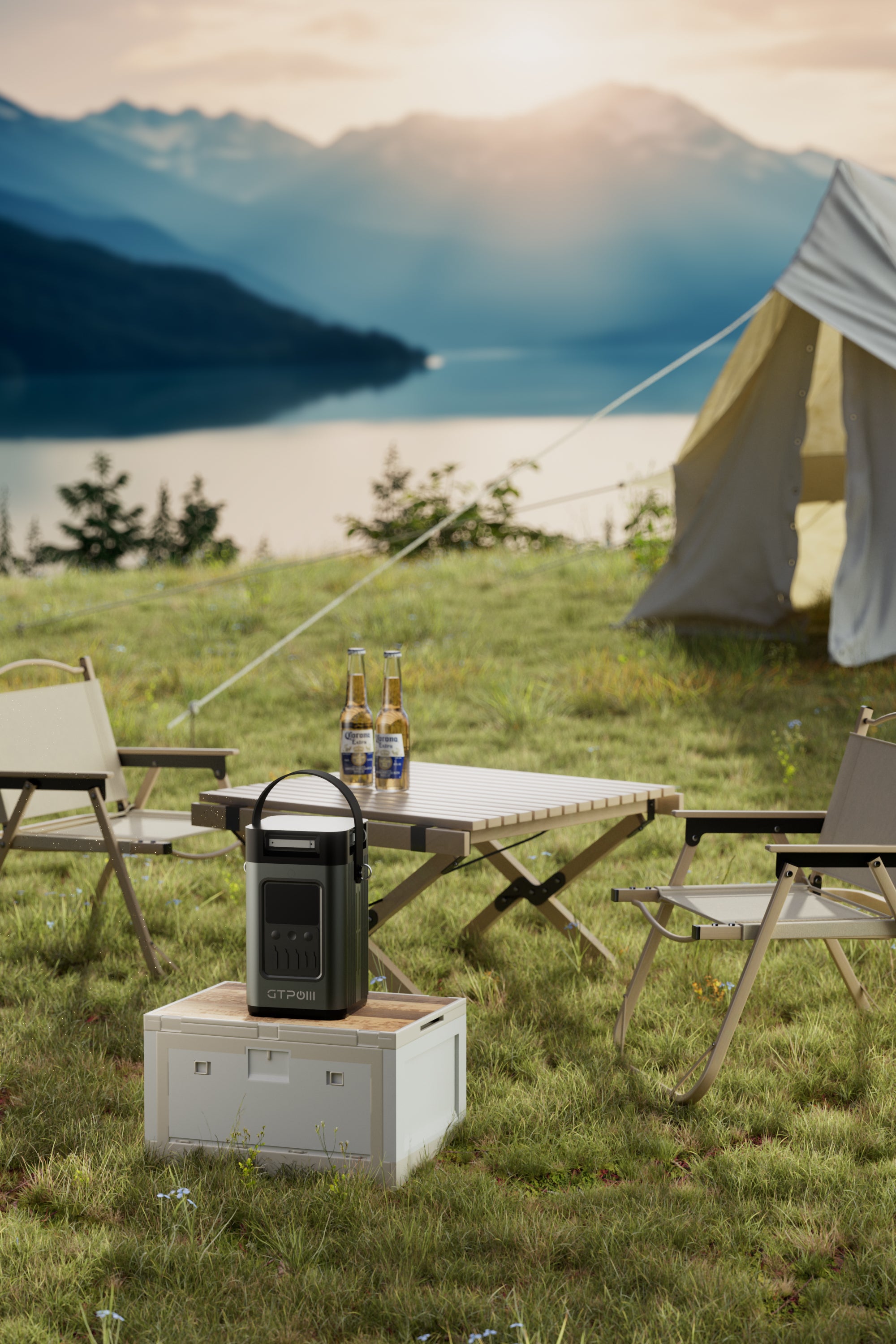
How to Clean Your Balcony Solar Panels and Why It Matters
You installed balcony solar panels to save money. But dust, pollen, bird droppings, and city grime can quietly cut into your output.
In heavy soiling conditions, especially with bird droppings or sticky pollen, power losses of 10% to 25% are possible. Hard water can also leave mineral spots that bake onto the glass.
The fix is simple: clean the panels the right way, use soft tools, keep electrical parts dry, and avoid harsh cleaners.
What Kind of Dirt Builds Up on Balcony Solar Panels?
Balcony panels collect more than just dust. Depending on where you live, you may see:
- - Dust and pollen – the most common buildup, especially in spring and dry weather
- Bird droppings – acidic and harder to remove if left too long
- Tree sap and sticky pollen – common near trees and landscaped areas
- Hard water spots – usually from tap water, sprinklers, or cleaning water that dries on the glass
- Soot and city grime – more common near highways, busy streets, parking lots, or industrial areas
- Leaves and small debris – especially if the panels sit near trees or balcony plants
A light layer of dust may not look like much, but it can still cut into your output over time. Bird droppings are worse because even a small spot can block sunlight from part of the panel.
Safety First: Balcony Solar Panels Are Different
Before cleaning, think about where the panels are mounted.
If the panel is mounted outside the railing or you cannot reach the glass safely from inside the balcony, do not lean over the edge to clean it. Remove the panel only if the system is designed for that, or hire help.
Also check your apartment, condo, or HOA rules before spraying water over a balcony edge. You do not want dirty water dripping onto a neighbor’s balcony, sidewalk, or outdoor furniture.
Keep tools, buckets, and spray bottles away from the edge. A dropped squeegee from several floors up can do real damage.
How to Clean Balcony Solar Panels Step by Step
Step 1: Shut the system down
Follow your kit’s shutdown instructions. If your setup plugs into an outlet, unplug it with dry hands and keep the plug, outlet, inverter, and connectors dry.
If your panels feed a portable power station, battery, or charge controller, disconnect them according to the manual. Do not spray water directly at plugs, junction boxes, microinverters, connectors, or cables.
Step 2: Pick the right time
Clean early in the morning or late in the evening when the panels are cool.
Spraying cold water on hot glass can stress the panel and make water spots harder to remove. Hot panels also dry soap too quickly, which can leave streaks.
Step 3: Remove loose debris first
Use a soft brush, microfiber cloth, or small handheld duster to remove loose dust, pollen, leaves, and small debris.
Avoid anything abrasive. You are cleaning glass, not scrubbing a grill.
Step 4: Rinse gently
Use a spray bottle, pump sprayer, watering can, or a hose with gentle flow if you have one.
Never use a pressure washer. High-pressure spray can damage seals, wiring, connectors, or the panel surface.
Step 5: Wash with mild soapy water
Mix a few drops of mild dish soap with water. Use a soft sponge or microfiber cloth to gently wipe the glass.
Wipe in straight lines so it is easier to see what you have cleaned and avoid streaks.
Avoid:
- Bleach
- Ammonia-based cleaners
- Abrasive cleaners
- Strong degreasers
- Steel wool
- Scouring pads
- Metal scrapers
For bird droppings, sticky pollen, or tree sap, let the soapy water sit for a minute or two, then wipe gently. Do not scrape with metal tools or scrub hard. The goal is to soften and lift the mess, not scratch the glass.
Step 6: Rinse off all soap
Use clean, low-pressure water to rinse the panel thoroughly.
Soap residue can leave a film that blocks light and attracts more dirt. If you live in a hard-water area, use distilled or deionized water for the final rinse when possible.
Step 7: Dry the glass
Use a rubber squeegee or a clean microfiber cloth to dry the glass and reduce water spots.
Do not use a squeegee with a metal edge. If the rubber blade is cracked or dirty, replace it before using it on the panel.
Step 8: Let everything dry before turning it back on
The glass does not need to be bone dry, but plugs, connectors, outlets, and inverter areas should be dry before you restart the system.
Once everything is dry and secure, turn the system back on according to your manual.
Quick List of Things Not to Do
To avoid damaging your panels, do not:
- Use a pressure washer
- Use abrasive brushes, steel wool, or scouring pads
- Use bleach, ammonia, harsh chemicals, or strong degreasers
- Scrape bird droppings with metal tools
- Clean panels when they are hot to the touch
- Lean over a balcony railing to reach the panel
- Spray water toward outlets, plugs, connectors, or microinverters
- Let tools or dirty water fall over the balcony edge
- Walk on the panels
- Leave hard water to dry on the glass if you can avoid it
How Often Should You Clean Balcony Solar Panels?
For most homes, cleaning in spring and fall is a good starting point. If your state changes clocks for daylight saving time, that can be an easy reminder.
You may need to clean more often depending on your location:
- Dusty or desert areas: every 1 to 2 months
- Near highways, busy streets, or industrial areas: about every 3 months
- Heavy bird activity: every 1 to 3 months
- Heavy pollen season: check every few weeks and clean when needed
- Frequent rain: rain may rinse off light dust, so you may only need to clean once a year or less
A quick visual check is the best guide. If you see visible dirt, bird droppings, sticky residue, or mineral spots, it is time to clean.
If your system has an app or power display, watch for a drop in output on clear days. If the weather is the same but production is lower than usual, dirty panels may be part of the problem.
The Bottom Line
Cleaning balcony solar panels is not complicated, but doing it wrong can damage the system or create safety problems.
Stick to soft tools, mild soap, low-pressure water, and cool panels. Keep plugs, outlets, connectors, and microinverters dry. Clean in spring and fall as a baseline, and more often if you deal with dust, birds, pollen, or city grime.
A clean panel makes more power. And more power means your balcony solar kit is doing the job you bought it for.
You might want to know:GTPOW Balcony Solar Kit| A Drill-Free Solar Solution Designed Specifically for Flats and Tenants