Avant d’installer un kit solaire pour balcon : ce qu’il faut savoir en premier
Les kits solaires pour balcon constituent une solution pratique pour les locataires d'appartements, les propriétaires de condominiums et les personnes n'ayant pas accès à un système solaire sur le toit. Ils permettent de produire une partie de son électricité à partir d'un balcon, d'une terrasse, d'une balustrade ou d'un petit espace extérieur.
Mais l'achat et l'installation d'un kit solaire pour balcon ne doivent pas se faire sans vérification préalable des points essentiels. La réglementation locale, l'accord du propriétaire, l'ensoleillement, la puissance du balcon, la taille du système et les exigences d'installation sont autant d'éléments à prendre en compte.
Voici ce qu'il faut vérifier avant d'en installer un.
Qu'est-ce qu'un kit solaire pour balcon ?
Un kit solaire pour balcon est un petit système d'énergie solaire conçu pour les appartements, les condominiums, les maisons de location et autres espaces où l'installation d'un système complet sur le toit n'est pas réaliste.
Un kit type comprend :
- Panneaux solaires ;
- Supports de fixation, pinces ou crochets de rambarde ;
- Un micro-onduleur ;
- Câbles CC et CA ;
- Une prise intelligente ou un dispositif de surveillance ;
- Dans certains systèmes, un compteur anti-retour ou un dispositif de limitation des exportations ;
- Dans les kits haut de gamme, un module de stockage de batterie.
Les panneaux solaires produisent du courant continu. Le micro-onduleur convertit ce courant en courant alternatif, utilisable dans la maison ou permettant de réduire partiellement votre consommation d'électricité.
Certains kits solaires pour balcon sont conçus pour être branchés directement sur une prise. D'autres peuvent nécessiter une prise dédiée, une notification au fournisseur d'électricité, une inspection ou une installation par un professionnel. Les exigences exactes dépendent de votre lieu de résidence.
L'installation de panneaux solaires sur un balcon est-elle autorisée là où vous habitez ?
Cela devrait être l'une des premières choses à vérifier.
La réglementation concernant l'installation de panneaux solaires sur les balcons varie selon le pays, l'État, la ville, le fournisseur d'énergie et le type de bâtiment. Dans certaines régions, les petits systèmes solaires autonomes sont autorisés sur simple déclaration. Ailleurs, ils peuvent nécessiter des permis, du matériel certifié, l'intervention d'un électricien ou l'approbation du fournisseur d'énergie.
Avant d'acheter un kit, vérifiez :
- La légalité de l'énergie solaire sur balcon dans votre région ;
- La question de savoir si les systèmes solaires rechargeables sont autorisés ;
- Faut-il aviser votre compagnie de services publics ?
- Si le micro-onduleur doit respecter les normes du réseau local ;
- La nécessité d’une protection anti-îlotage ;
- Qu’il existe une limite à la taille du système ou à la puissance de sortie de l’onduleur ;
- Indique si l'installation doit être effectuée par un électricien agréé.
Ne présumez pas qu'un kit vendu en ligne est automatiquement légal à installer dans votre appartement ou votre copropriété. Les panneaux solaires de balcon sont raccordés au réseau électrique ; les normes électriques locales s'appliquent donc.
Avez-vous besoin de l'approbation de votre propriétaire, de votre association de copropriétaires ou de votre syndicat de copropriétaires ?
Même si la législation locale autorise l'installation de panneaux solaires sur les balcons, votre immeuble peut avoir ses propres règles.
Si vous êtes locataire, obtenez l'autorisation écrite de votre propriétaire avant toute installation. Un accord verbal ne suffit pas. Il vous faut un document officiel indiquant clairement ce que vous êtes autorisé à installer et où.
Si vous habitez dans une copropriété ou un immeuble géré par une association de propriétaires, vérifiez le règlement extérieur avant d'installer des panneaux sur une rambarde, un mur ou le bord d'un balcon. De nombreux immeubles ont des règles concernant l'esthétique, la sécurité, le perçage, l'accès des pompiers, la résistance au vent et tout élément fixé à l'extérieur du bâtiment.
Certaines régions disposent de lois sur l'accès à l'énergie solaire, mais ces lois n'accordent pas toujours aux locataires ou aux propriétaires de copropriétés un droit automatique d'installer des panneaux sur les espaces extérieurs partagés ou visibles.
Obtenez d'abord une approbation. C'est beaucoup plus simple que de se voir demander de retirer le système par la suite.
Votre balcon est-il suffisamment ensoleillé ?
Un kit solaire pour balcon n'est pertinent que si votre balcon bénéficie d'un ensoleillement direct suffisant.
Avant d'acheter, observez votre balcon tout au long de la journée. Vérifiez l'ensoleillement direct et les moments où il est atteint.
Dans l'hémisphère nord :
- Les balcons orientés au sud offrent généralement les meilleures performances ;
- Les balcons orientés à l'est bénéficient du soleil du matin ;
- Les balcons orientés à l'ouest bénéficient du soleil de l'après-midi ;
- Les balcons orientés au nord produisent généralement beaucoup moins d'énergie.
Essayez de vous exposer au moins 4 à 6 heures par jour à la lumière directe du soleil. Plus de soleil signifie un meilleur rendement.
Recherchez également de l'ombre provenant de :
- Bâtiments à proximité ;
- Arbres;
- Débords de toit ;
- Rambardes de balcon ;
- Auvents;
- Antennes ;
- Mobilier d'extérieur.
Même une ombre partielle peut réduire la production d'énergie. Une petite ombre sur un panneau peut diminuer la production plus que prévu, surtout si le système n'est pas conçu pour bien gérer l'ombrage.
Si votre balcon est ombragé la majeure partie de la journée, un kit solaire pour balcon n'est peut-être pas rentable.
Votre balcon peut-il supporter le système en toute sécurité ?
Les panneaux solaires peuvent paraître légers, mais le kit complet représente un coût important.
Un kit solaire de balcon typique à deux panneaux peut peser entre 15 et 30 kg, voire plus, selon la taille du panneau, le cadre, les supports et le matériel de montage.
Le problème majeur n'est pas seulement le poids. Il faut aussi tenir compte du vent.
Les panneaux installés sur un balcon peuvent prendre le vent, surtout aux étages supérieurs ou dans les zones exposées. Un vent fort peut exercer une pression supplémentaire sur la rambarde, les supports et les points de fixation.
Avant l'installation, vérifiez :
- La solidité de votre rambarde de balcon ;
- L'état du mur ou de la surface de montage ;
- Que la rambarde soit en métal, en béton, en verre ou en bois ;
- Que le support soit conçu pour votre type de garde-corps ;
- Vérifiez si l'installation peut résister au vent dans votre région.
En cas de doute, renseignez-vous auprès de votre gestionnaire d'immeuble, de votre propriétaire ou d'un professionnel qualifié. Un kit solaire pour balcon doit être suffisamment solidement fixé pour rester en place malgré le vent, la pluie et l'usage quotidien.
Quelle taille de kit solaire pour balcon vous faut-il ?
Les kits solaires pour balcon sont beaucoup plus petits que les systèmes installés sur les toits. La plupart sont conçus pour réduire une partie de votre consommation d'électricité, et non pour alimenter un appartement entier.
La puissance des systèmes courants varie d'environ 300 W à 1 200 W, mais les réglementations locales peuvent limiter la quantité que vous pouvez installer ou connecter.
Un guide approximatif :
- 300W–600W : idéal pour les petites charges quotidiennes telles que la recharge de téléphones, d’ordinateurs portables, de routeurs, de lampes LED ou une partie de votre utilisation diurne ;
- 600W–800W : peut aider à compenser les appareils qui fonctionnent souvent, comme un réfrigérateur, un téléviseur ou un équipement de bureau à domicile ;
- 800 W – 1 200 W : peut compenser une plus grande part de la consommation d'électricité quotidienne si votre balcon bénéficie d'un fort ensoleillement.
Soyez réaliste quant à vos attentes. Un kit solaire pour balcon ne remplacera pas le réseau électrique. Il peut réduire votre facture en couvrant une partie de votre consommation d'électricité en journée.
Si vous souhaitez disposer d'électricité la nuit ou en cas de panne de courant, vous aurez besoin d'un système avec stockage par batterie ou d'une connexion sécurisée à une station d'alimentation portable compatible.
Pouvez-vous l'installer vous-même ?
Certains kits solaires pour balcon sont conçus pour une installation facile à réaliser soi-même. Dans les endroits où l'installation de panneaux solaires électriques est autorisée, la mise en place est généralement simple.
Une installation typique peut comprendre :
- Fixer les supports ou les pinces de montage à la rambarde du balcon ;
- Fixer les panneaux solaires aux supports ;
- Ajuster l'angle pour une meilleure exposition au soleil ;
- Monter le micro-onduleur dans un endroit ventilé et protégé des intempéries ;
- Raccordement des panneaux solaires au micro-onduleur ;
- Raccordement du côté CA conformément au manuel et aux règles électriques locales ;
- Vérifier la prise intelligente, le compteur ou l'application de surveillance, le cas échéant.
Lisez toujours le manuel avant l'installation. Vérifiez la polarité, les connexions des câbles, les exigences de mise à la terre, la puissance de l'onduleur et les exigences de la prise. Un branchement incorrect peut endommager l'équipement ou présenter un risque pour la sécurité.
L'installation de panneaux solaires raccordés au réseau par un particulier n'est pas autorisée partout. Dans certaines régions, il est nécessaire de faire appel à un électricien agréé, d'obtenir l'accord du fournisseur d'électricité, de subir une inspection ou de disposer d'équipement certifié. En cas de doute, consultez un installateur qualifié avant de procéder au raccordement.
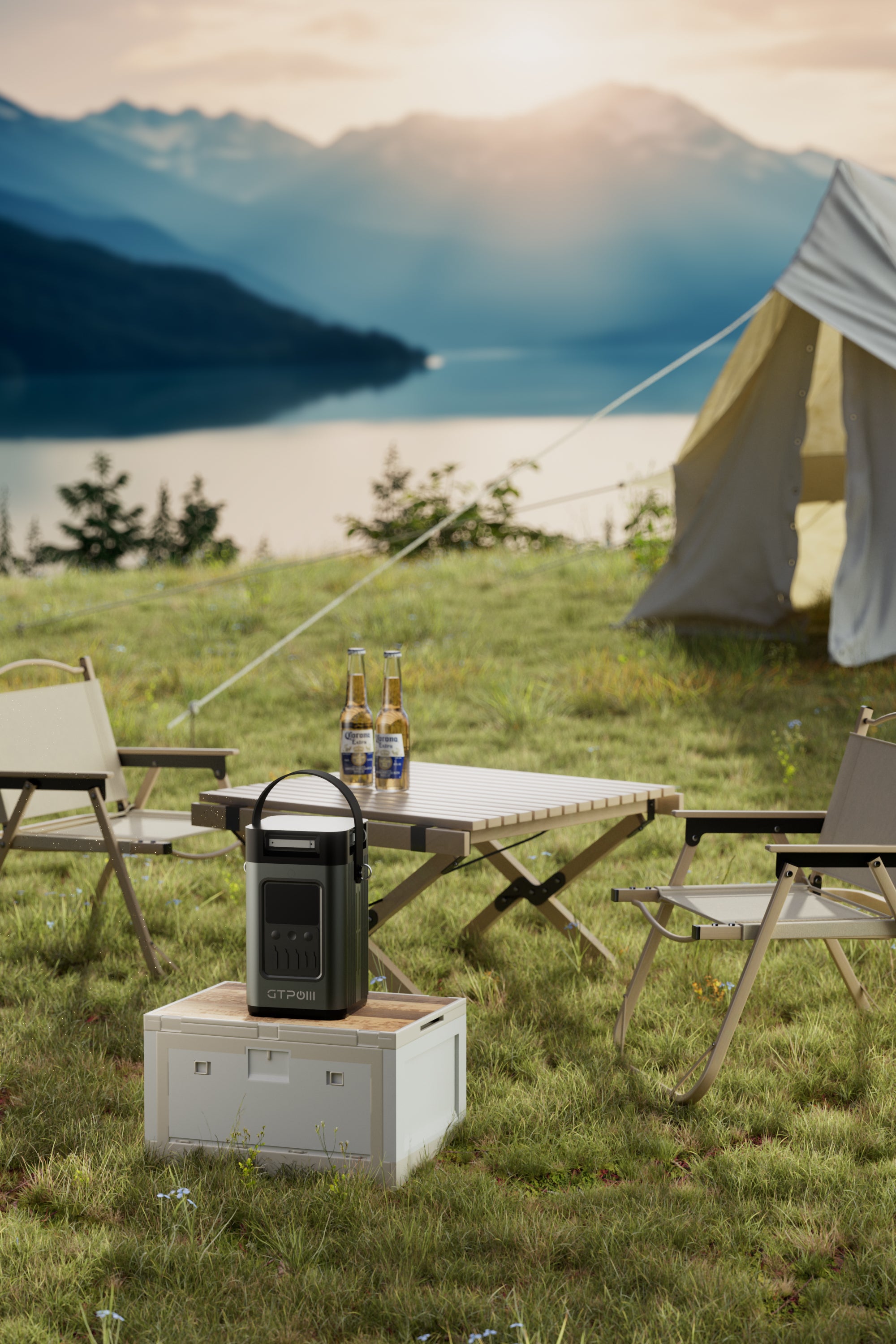
Pour une configuration plus simple, GTPOW kits solaires pour balcon Ce système compact combine panneaux solaires, accessoires de montage, composants de micro-onduleur et câbles, et est conçu pour les balcons, les terrasses et les petits espaces extérieurs.
En résumé
Un kit solaire pour balcon peut être une solution astucieuse pour profiter d'un balcon ensoleillé et réduire une partie de votre facture d'électricité, surtout si vous vivez dans un appartement ou un condominium et que vous ne pouvez pas installer de panneaux solaires sur le toit.
Avant d'acheter, vérifiez les points les plus importants : réglementations locales, approbation du propriétaire ou de l'association de copropriétaires, ensoleillement, résistance du balcon, taille du système et exigences d'installation.
Si votre balcon bénéficie d'un ensoleillement suffisant, que votre immeuble le permet et que le système respecte les normes électriques locales, l'énergie solaire sur balcon peut être un moyen simple de commencer à produire votre propre électricité sans installation complète sur le toit.