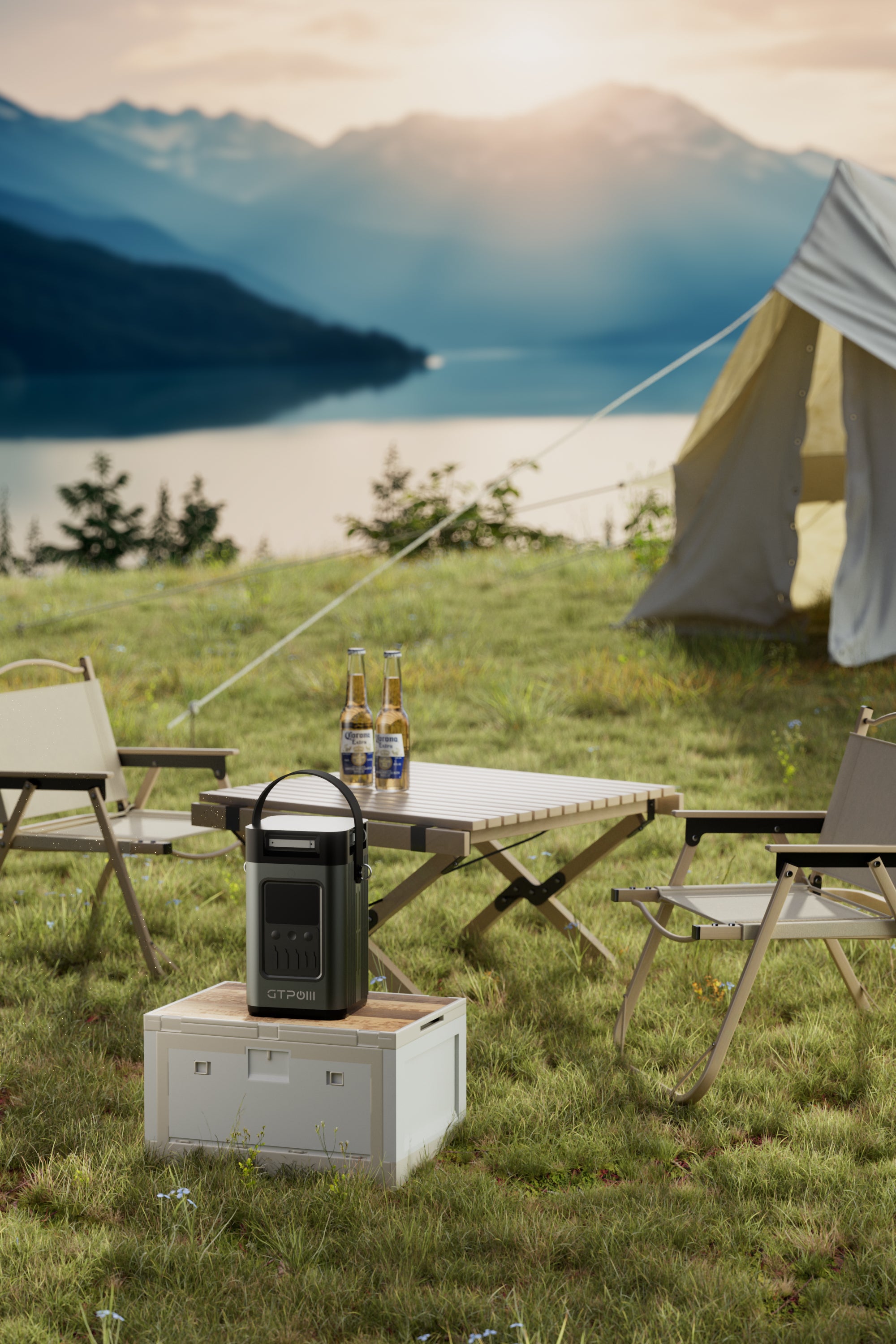
Panel solar GTPOW 200W frente a STAR 200W
Comprar un panel solar de 200 W es mucho más fácil de equivocarse de lo que la mayoría de la gente piensa. Los modelos GTPOW 200W y STAR 200W son dos de los más vendidos en Amazon. Son prácticamente idénticos, tienen un diseño moderno y elegante, y precios similares: una combinación perfecta. Pero esta es la verdad: Las hojas de especificaciones mienten, el rendimiento en el mundo real no.. Olvídate de los aburridos manuales del fabricante. En esta comparativa directa de 2026, analizamos las diferencias reales entre estos dos paneles solares populares y te ayudamos a evitar productos de baja calidad con publicidad engañosa, para que encuentres una opción realmente fiable y de gran valor.
Resumen rápido de especificaciones: Diferencias reales de un vistazo
Ambos paneles tienen una potencia nominal de 200 W, pero ahí terminan las similitudes. El GTPOW incorpora componentes de alta gama: células solares N-Type 16BB de grado A+, clasificación de impermeabilidad IP68 (la mejor del sector) y resistencia certificada a la carga de viento de 2400 Pa + carga de nieve de 5400 Pa, además de un marco ligero y fácil de instalar. El STAR, en cambio, utiliza células 10BB obsoletas, solo una resistencia básica al agua IP65, carece de certificaciones oficiales de resistencia a la intemperie y tiene una construcción más pesada. Es evidente que se trata de una versión con especificaciones inferiores, oculta tras un diseño elegante.
Duelo de eficiencia: Marketing llamativo vs. Potencia real
Esta es la estafa más grande y costosa con la que se topan los compradores. Ambas marcas anuncian a bombo y platillo una tasa de conversión del 25%, lo que suena como una oferta imbatible sobre el papel, hasta que se analizan los datos de pruebas reales.
STAR promociona mucho su supuesta eficiencia del 25% y una generación de energía un 15% mayor, pero las pruebas independientes de terceros cuentan una historia completamente diferente. El modelo idéntico GS-STAR-200W tiene un rendimiento de tan solo... 17,9% de eficiencia real. En pocas palabras: estás pagando por un panel de 200 W, pero solo obtienes 140 W de potencia real. Ofrece una producción débil, desperdicia un valioso espacio en el tejado y se convierte en una pésima inversión a largo plazo.
La eficiencia del 25 % de GTPOW, sin embargo, está 100 % verificada y es auténtica. Su diseño mejorado N-Type 16BB reduce la resistencia interna y la pérdida de calor, dos defectos comunes en los paneles solares económicos. Mantiene una producción de energía constante incluso en climas extremadamente calurosos, días nublados y condiciones de poca luz al amanecer o al atardecer, sin ningún tipo de rendimiento falso o exagerado.
Tecnología & Durabilidad: Hardware de última generación frente a tecnología antigua obsoleta.
Los paneles solares no se centran en la estética, sino en la fiabilidad a largo plazo y el rendimiento constante, y es aquí donde los dos modelos se diferencian drásticamente.
GTPOW Tecnología de celdas N-Type 16BB Es el estándar de oro actual en energía solar residencial y fuera de la red. Reduce drásticamente la degradación inducida por la luz, minimiza la caída de potencia en altas temperaturas y cuenta con una vida útil de 25 a 30 años. Instálelo una vez y obtendrá energía estable y confiable durante décadas: una verdadera inversión a largo plazo.
STAR utiliza celdas P-Type 10BB de la vieja escuela, que la industria ya ha dejado de usar. Su única ventaja es un diseño de pantalla completa sin marco que luce elegante y se limpia fácilmente del polvo y la lluvia. Pero la apariencia no se traduce en rendimiento. Estas celdas obsoletas se degradan rápidamente, pierden mucha energía por el calor y sufren fuertes caídas de eficiencia con el tiempo, lo que las hace inadecuadas para un uso prolongado en exteriores sin conexión a la red eléctrica.
La impermeabilización marca una diferencia abismal. Para instalaciones solares exteriores, la protección contra el agua es indispensable. La caja de conexiones con clasificación IP68 de GTPOW es totalmente sumergible y soporta sin problemas fuertes lluvias, salpicaduras de agua de mar y ambientes costeros húmedos. Además, cuenta con una clasificación de seguridad contra incendios de Clase C para instalaciones más seguras en azoteas, vehículos recreativos y estructuras fijas. STAR solo ofrece una resistencia básica a salpicaduras IP65, que apenas soporta lluvia ligera. Las tormentas intensas o el agua estancada conllevan un alto riesgo de cortocircuitos y daños permanentes.
Resistencia a la intemperie: Resistencia certificada vs.Garantías de protección cero
La mayoría de los compradores pasan por alto las certificaciones de resistencia al viento y a la nieve, pero son características de seguridad fundamentales para autocaravanas, barcos y cabañas aisladas expuestas a condiciones climáticas extremas. Los paneles sin certificar son, básicamente, bombas de relojería en caso de mal tiempo.
GTPOW se somete a pruebas independientes de terceros para resistir vientos fuertes de hasta 130 km/h y el peso de 1 a 1,5 metros de nieve fresca. Está diseñado para soportar tormentas costeras y fuertes nevadas invernales sin sufrir daños estructurales. STAR no cuenta con certificaciones publicadas de resistencia al viento ni a la carga de nieve. Su diseño sin marco, si bien es estéticamente atractivo, presenta una baja resistencia a los impactos y a la presión en los bordes, lo que lo hace propenso a agrietarse o fallar durante condiciones climáticas severas. Además, el menor peso de GTPOW y los orificios de montaje preperforados simplifican enormemente su instalación.
¿Quién debería comprar cada panel?
✅ Elige la GTPOW 200W si: Si tienes una autocaravana, furgoneta, barco o cabaña aislada de la red eléctrica; vives en zonas con fuertes lluvias, vientos intensos o nieve; y priorizas la estabilidad energética, la larga vida útil y la seguridad absoluta, es la opción ideal para quienes buscan vivir fuera de la red eléctrica.
✅ Elige el modelo STAR 200W solo si: Si tiene un presupuesto muy ajustado, vive en un clima templado sin condiciones climáticas extremas, solo necesita un uso temporal a corto plazo y le importa más la apariencia que el rendimiento, no lo recomendamos para instalaciones a largo plazo.
Veredicto final: El claro ganador de 2026
En definitiva, esta comparación se reduce a calidad genuina frente a publicidad engañosa. La GTPOW 200W cumple exactamente lo que promete: Eficiencia real del 25%, tecnología de celdas N-Type de primera calidad, impermeabilidad total IP68 y protección certificada contra condiciones climáticas extremas.. Es una herramienta fiable y económica, diseñada para durar décadas de uso fiable en exteriores.
El STAR 200W se basa en afirmaciones de eficiencia falsas, hardware obsoleto y falta de certificaciones de seguridad básicas. Su bajo precio inicial es engañoso: la baja potencia de salida y la construcción frágil provocan pérdidas de rendimiento frustrantes y costos de reemplazo tempranos. Si está cansado de pagar por publicidad engañosa y desea una solución solar estable, segura y duradera, GTPOW 200W es la mejor opción indiscutible para 2026 y más allá..