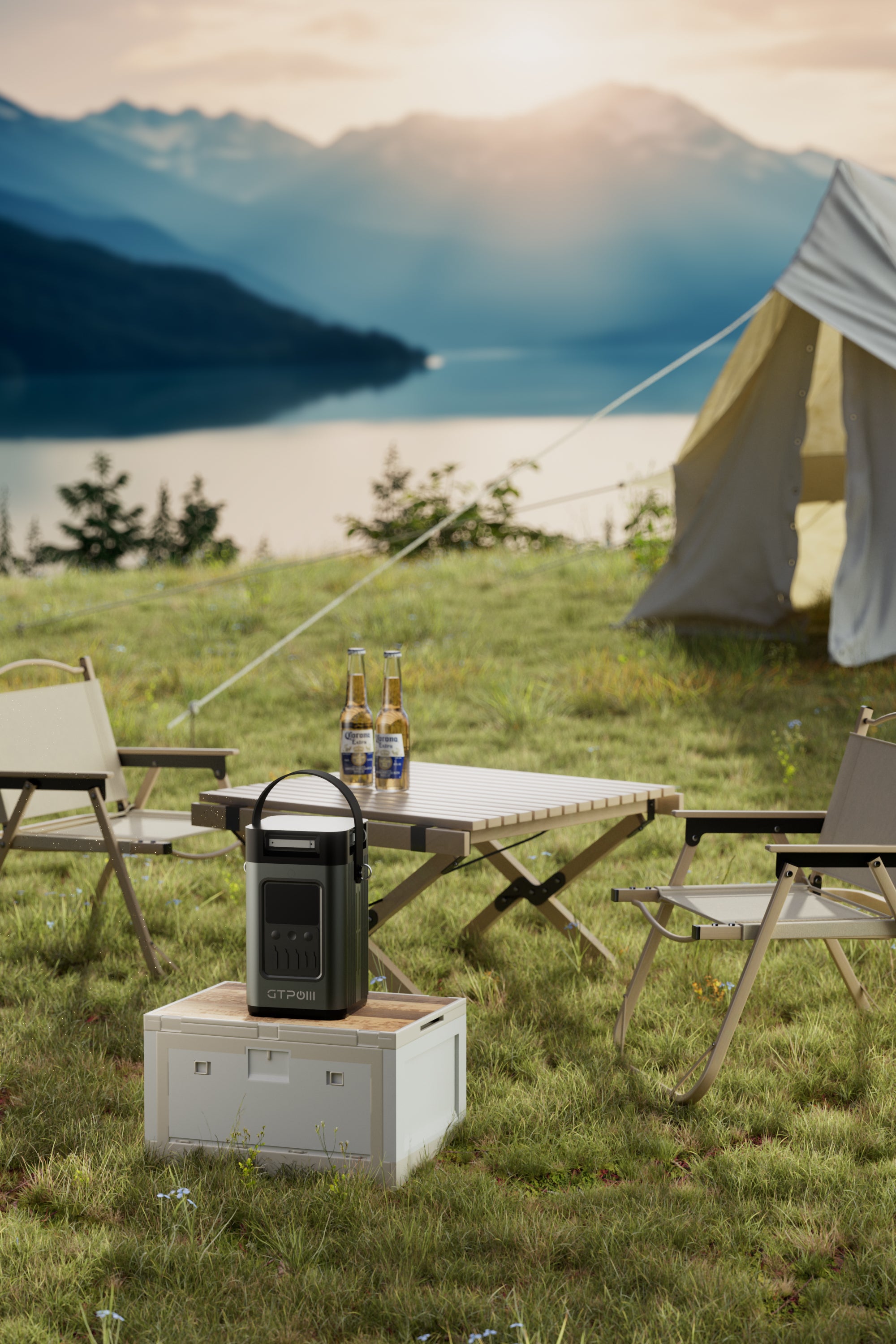
Panel solar portátil para acampar: lo que realmente funciona en la vida real
20 Apr 2026
0 Comentarios
Si te gusta acampar, probablemente te haya pasado: estás en el bosque, pasándolo de maravilla, y de repente se te apaga el móvil, se te agota la batería externa y las luces de la tienda empiezan a atenuarse.
Un buen panel solar portátil puede solucionar todo eso. Pero después de probar docenas de ellos en viajes de campamento reales (fines de semana lluviosos, desiertos soleados, excursiones con mochila y viajes en autocaravana), he aprendido qué es lo que realmente importa y qué es solo marketing.
En esta guía, desgloso todo lo que necesitas saber antes de comprar un panel solar portátil para acampar, basándome en el uso real al aire libre, no solo en las especificaciones de una página.

Por qué realmente necesitas un panel solar para acampar.
Acampar no se trata solo de desconectar. Se trata de mantenerse seguro, tomar fotos, usar el GPS, mantener la linterna frontal cargada e incluso encender pequeñas neveras portátiles o ventiladores cuando hace calor.
Un panel solar portátil te permite:
- Carga teléfonos, cámaras y baterías externas en cualquier lugar.
- Mantén tu estación de energía para acampar cargada sin necesidad de un generador.
- Evite desperdiciar baterías adicionales en cada viaje.
- Manténgase preparado para retrasos o emergencias inesperadas.
Y a diferencia de las voluminosas centrales eléctricas que solo duran uno o dos días, los paneles solares siguen recargando tus dispositivos mientras haya sol.
Qué es lo que realmente importa al elegir un panel solar para acampar
Voy a ser sincero: nada de jerga confusa, solo lo que cambia el rendimiento de tu panel en un camping.
1. Peso & Portabilidad
Si es pesado, no querrás cargarlo.
Para ir de mochilero: busca algo ligero y plegable.
Para acampar en coche o autocaravana: puedes optar por un tamaño mayor, pero aun así debe poder plegarse de forma ordenada.
Las mejores dan la sensación de llevar una pequeña bolsa para portátil, no un bloque de cemento.
2. Eficiencia en el mundo real (no solo cifras de etiqueta)
Los paneles de alta eficiencia no solo se cargan más rápido, sino que también funcionan mejor cuando está nublado, hay sombra o al final de la tarde.
En condiciones reales de acampada:
- Los paneles baratos tienen problemas con la luz solar débil.
- Los paneles de alta eficiencia de buena calidad siguen generando energía de forma constante.
Si acampas en zonas con sol irregular, como bosques, montañas o regiones costeras, esto marca una gran diferencia.
3. Durabilidad que realmente se mantiene
El equipo de acampada se tira por los suelos, se moja con la lluvia, se pisa y se ensucia.
Busque paneles solares que sean:
- Resistente al agua y al polvo.
- Fabricado con una superficie resistente y a prueba de arañazos.
- Construido con bisagras y conectores resistentes.
He tenido casos en los que los paneles se rompieron después de un solo viaje porque la tela era delgada o los orificios no estaban sellados. No cometas ese error.
4. Compatibilidad de enchufes
Asegúrate de que sea compatible con tu equipo:
- USB-C para teléfonos & portátiles
- USB-A para auriculares, altavoces y linternas frontales.
- DC/MC4 para estaciones de energía de camping
Lo último que uno desea es un panel solar que no pueda cargar sus dispositivos.
Cómo usar un panel solar portátil para acampar (Consejos prácticos)
Las he ido adquiriendo a lo largo de los años acampando:
- Coloque el panel a pleno sol; incluso un poco de sombra reduce su rendimiento.
- Inclínalo hacia el sol, no plano sobre el suelo.
- Si cambias de camping, dóblalo correctamente para evitar rayar la superficie.
- En regiones más frías y nubladas (como las zonas boscosas del norte), dele más tiempo para cargarse.
- En zonas soleadas y abiertas (desiertos, prados), se cargará sorprendentemente rápido.
Es sencillo, pero estos pequeños hábitos hacen que tu panel sea mucho más eficaz.
¿Para quién es este equipo?
- Autocaravanas de fin de semana
- Mochileros y amantes del senderismo
- Viajeros que viven en autocaravanas y furgonetas
- Campistas familiares que necesitan cargar varios dispositivos
- Cualquier persona que desee energía confiable fuera de la red
Nuestros paneles solares portátiles favoritos para acampar.
Después de probar muchas marcas en entornos exteriores reales, seguimos volviendo a Paneles solares portátiles GTPow porque ofrecen un rendimiento constante, resisten las inclemencias del tiempo y no dan la sensación de ser baratos.
Son ligeros, plegables, de alta eficiencia y funcionan a la perfección para acampar, hacer senderismo y para uso en situaciones de emergencia.
Puedes consultar su programación completa aquí:
🌐 https://gt-pow.com/
Si tiene preguntas sobre qué modelo se adapta mejor a su estilo de acampada, puede ponerse en contacto directamente con su equipo de soporte en:
📩 support@gtpow.net
Reflexiones finales
Un buen panel solar portátil no es solo un gadget: hace que acampar sea más cómodo, seguro y agradable. No necesitas el más caro, pero sí uno que funcione en condiciones reales al aire libre.
Ya sea que acampes cerca de casa o viajes por diferentes regiones, contar con energía solar confiable significa que puedes concentrarte en el viaje, sin preocuparte por las baterías agotadas.
Etiquetas: