Tragbare Powerbank + Solarpanel vs. Hochleistungs-Powerbank – Welche Konfiguration ist besser zum Wandern?
Tragbare Powerbank + Solarpanel vs. Powerbank mit hoher Kapazität – Welche Kombination ist besser zum Wandern geeignet?
Du bist am zweiten Tag deiner dreitägigen Trekkingtour in der Wildnis. Dein Handy hat nur noch 15 % Akku, deine Offline-Karte funktioniert nur, wenn das Handy eingeschaltet bleibt, und die nächste Steckdose ist kilometerweit entfernt am Ausgangspunkt der Wanderung.
Kommt Ihnen das bekannt vor?
Für Tausende von Wanderern und Campern im gesamten Gebiet U.S. , Das ist jedes Wochenende ein echtes Problem. Handys, Navigationsgeräte, Stirnlampen, Kameras und Satellitenkommunikationsgeräte brauchen alle Strom. Je länger man unterwegs ist, desto öfter sieht man, wie der Akku leerer wird.
Die eigentliche Frage ist also: Sollte man eine größere Powerbank mitnehmen, die für die gesamte Reise ausreicht, oder eine kleinere einpacken und ein Solarpanel mitnehmen, um sie unterwegs aufzuladen?
Es gibt keine allgemeingültige Antwort. Es kommt darauf an, wie weit du wanderst, wie viel Energie deine Ausrüstung verbraucht und ob du täglich Kilometer zurücklegst oder an einem Ort bleibst. Lass uns gemeinsam herausfinden, was für deine Art zu campen am besten geeignet ist.
Wenn Sie weite Strecken zurücklegen, wählen Sie eine Powerbank mit hoher Kapazität.
Wenn Sie zu den Wanderern gehören, die täglich weite Strecken zurücklegen – also mehr als 10 Meilen, früh das Lager abbrechen und spät am nächsten Lagerplatz ankommen – ist eine Powerbank mit hoher Kapazität in der Regel die klügere Wahl.
Wer ständig unterwegs ist, hat kaum Zeit, ein Solarpanel zu überwachen, die direkte Sonneneinstrahlung auszunutzen oder es bei jedem Winkelwechsel neu auszurichten. Baumbestand, Bewölkung, schmale Wege und wechselndes Gelände können das Laden mit Solarenergie ebenfalls unberechenbar machen.
In diesem Fall kommt es auf Einfachheit an.
Laden Sie Ihre Powerbank vor der Abreise auf, verstauen Sie sie im Rucksack und nutzen Sie sie bei Bedarf für Ihr Handy, GPS-Gerät, Ihre Stirnlampe oder Ihre Kamera. Kein Aufbau, keine Wartezeit, kein Rätselraten.
Für Fernwanderer, Rucksacktouristen und alle, die lange Tagesetappen auf Wanderwegen zurücklegen, ist eine zuverlässige Powerbank mit hoher Kapazität oft die praktischste Option.
Wenn Sie beim Basislagercamping ein Solarpanel hinzufügen, sollten Sie es anbringen.
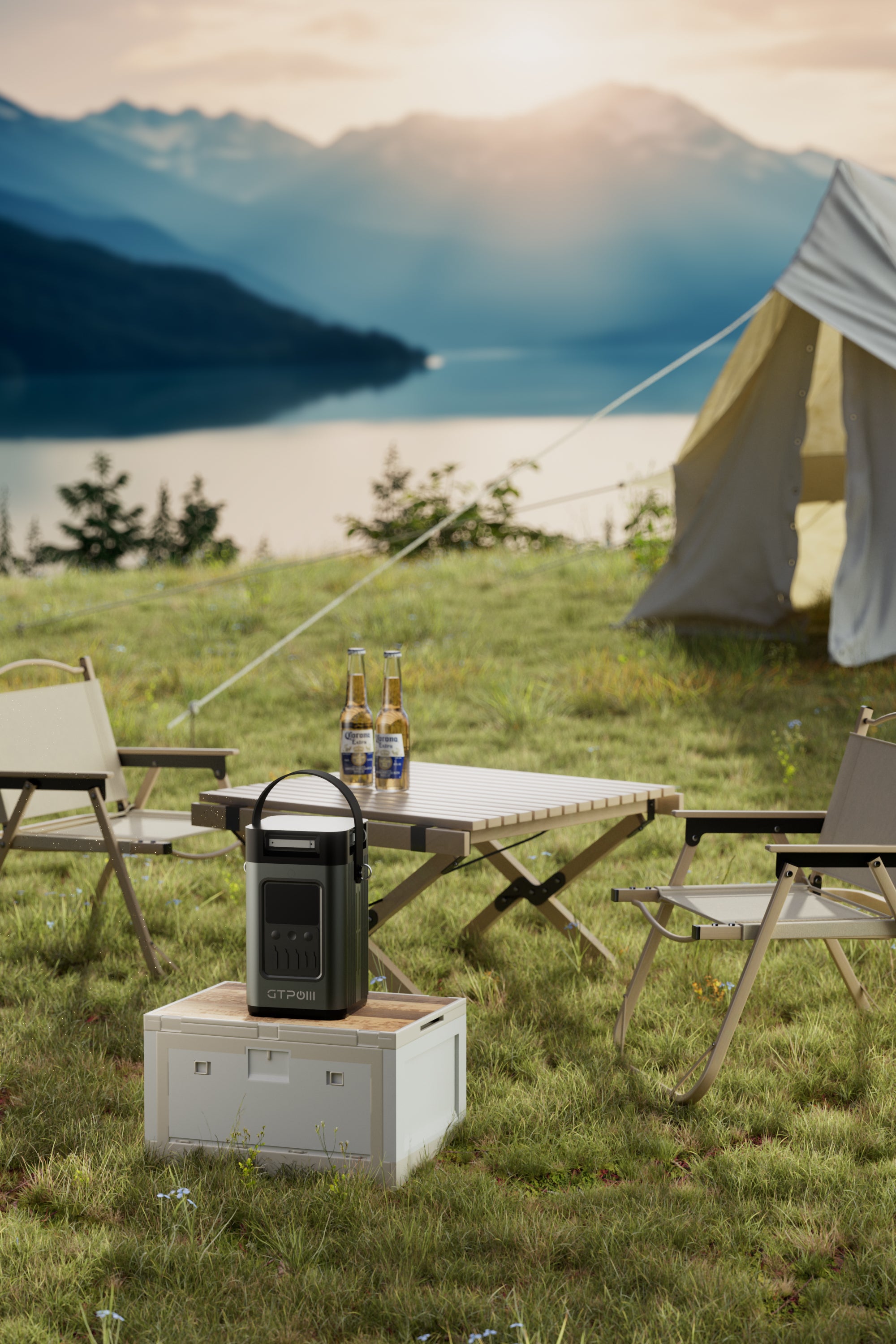
Wenn Sie bei Ihrer Reise ein Hauptlager aufschlagen und dort eine Weile verweilen, ist eine Powerbank in Kombination mit einem Solarpanel deutlich sinnvoller. Diese Konfiguration eignet sich am besten für Wandertouren, bei denen Sie Ihr Lager nicht täglich verlegen, zum Beispiel:
- Einrichten eines Basislagers in der Wildnis
- Zwei oder mehr Nächte auf demselben Campingplatz verbringen
- Tageswanderungen von einem Hauptlager aus unternehmen
- Wandern in offenem, sonnigem Gelände mit Zeit zum Aufbau eines Panels
- Eine gemächlichere Rucksacktour mit längeren Pausen im Camp unternehmen
Solarenergie ist am effektivsten, wenn das Panel mehrere Stunden direktem Sonnenlicht ausgesetzt ist. Der Prozess verläuft nicht immer schnell, und die Leistung hängt stark vom Sonnenstand, dem Wetter, der Beschattung und der Panelgröße ab. Doch auch wenn Sie sich nicht viel bewegen, kann selbst ein kleines Solarpanel Ihre Stromversorgung verlängern und den Akkuverbrauch reduzieren.
Stellen Sie sich also eine einfache Frage:
Bin ich jeden Tag aufwärts unterwegs oder bleibe ich an Ort und Stelle?
Wenn Sie den ganzen Tag unterwegs sind, bringen Sie eine größere Powerbank mit.
Wenn Sie beim Campen viel Zeit mit Sonnenschein verbringen, kombinieren Sie Ihre Powerbank mit einem Solarpanel.
Wie Sie die richtige Größe Ihrer Powerbank ermitteln
Die Wahl der richtigen Powerbank beginnt mit ein wenig Mathematik und einem ehrlichen Blick auf Ihre Ausrüstung.
Erstellen Sie zunächst eine Liste aller Geräte, die Sie mitbringen möchten:
- Smartphone
- GPS-Gerät oder GPS-Uhr
- Scheinwerfer
- Kamera oder Action-Kamera
- Satellitenkommunikator
- Smartwatch
- Wiederaufladbare Ohrhörer, falls Sie sie auf dem Wanderweg verwenden.
Prüfen Sie anschließend die Akkukapazität jedes Geräts und überlegen Sie, wie oft Sie es während der Reise aufladen müssen.
Als Faustregel gilt:
- Mit einer 5000-mAh-Powerbank kann man ein Smartphone in der Regel etwa einmal vollständig aufladen.
- Mit einer 10.000 mAh Powerbank kann man ein Smartphone normalerweise etwa zweimal aufladen.
- Mit einer 20.000 mAh Powerbank lassen sich die meisten Smartphones in der Regel drei- bis viermal aufladen, wobei noch Reserve für kleinere Geräte vorhanden ist.
Wichtig: Powerbanks liefern nicht 100 % ihrer Nennkapazität. Energieverluste entstehen durch Wärme, Spannungswandlung, Kabel und Ladeschaltungen. Im praktischen Gebrauch ist mit einem Kapazitätsverlust von etwa 15 % bis 30 % zu rechnen.
Das bedeutet, dass eine Powerbank mit 10.000 mAh ein Smartphone mit 3.000 mAh nicht dreimal vollständig aufladen kann. In den meisten Fällen sind es eher zwei vollständige Ladungen, abhängig vom Smartphone und den Ladebedingungen.
Sie sollten außerdem Folgendes berücksichtigen:
- Reisedauer
- Anzahl der Personen, die die Powerbank gemeinsam nutzen
- Ob Ihr Telefon Ihr wichtigstes Navigationsgerät ist
- Wetterbedingungen
- Wie häufig Sie Ihre Kamera oder Ihr GPS benutzen
- Ob Sie Ihre Energie während der Reise per Solarenergie aufladen können
Für einen Wochenendtrip allein reichen möglicherweise 10.000 mAh aus.
Für zwei Personen auf einer fünftägigen Reise mit Handys, GPS und anderen kleinen elektronischen Geräten benötigen Sie mehr Speicherkapazität.
Warum die GTPOW 20.000 Swift Powerbank für mehrtägige Reisen geeignet ist
Hier kommt die GTPOW Swift Power Bank mit 20.000 mAh ins Spiel.
Mit einer Kapazität von 20.000 mAh bietet er genügend Energie, um wichtige Geräte auf mehrtägigen Touren mit Strom zu versorgen. Er ist eine gute Wahl für Rucksacktouristen, Wochenendwanderer und alle, die auf mehrtägigen Reisen auf ihr Smartphone oder GPS-Gerät zur Navigation angewiesen sind.
Einer der größten Vorteile ist das 35-W-PD-Schnellladen. Das bedeutet, dass es kompatible Geräte schnell aufladen kann und sich selbst auch schneller auflädt, wenn es vor der Reise an ein geeignetes Wandladegerät angeschlossen wird.
Es unterstützt kabelloses Laden; legen Sie Ihr Smartphone einfach darauf, um den Ladevorgang zu starten. Das ist besonders praktisch beim Camping, wenn man nicht im Dunkeln nach Kabeln suchen möchte.
Für längere Reisen oder Basislageraufbauten, GTPOW 20000 Swift Powerbank Es ist auch mit dem Laden über 10-W-Solarpanels kompatibel. In Kombination mit einem kleinen, faltbaren Solarpanel lässt sich die Powerbank tagsüber bei geeigneten Bedingungen aufladen.
Mit 498 g ist es immer noch gut für den mehrtägigen Einsatz zu verstauen und bietet ein gutes Gleichgewicht zwischen Kapazität, Ladegeschwindigkeit und Praktikabilität im Freien.
Fazit
Die Entscheidung zwischen einer Powerbank und einer Solaranlage läuft letztendlich auf eine Frage hinaus:
Wie bewegst du dich im Freien?
Wenn Sie täglich viele Kilometer zurücklegen und zuverlässige Energie benötigen, ohne anhalten zu müssen, um Ihre Ausrüstung zu verwalten, wählen Sie eine Powerbank mit hoher Kapazität wie die GTPOW Swift 20.000 mAh.
Wenn Sie ein Basislager in der Wildnis errichten oder zwischen kürzeren Wanderungen mehr Zeit im Lager verbringen, kann die Kombination Ihrer Powerbank mit einem kleinen Solarpanel Ihre Stromversorgung verlängern.
In jedem Fall sollten Sie zunächst Ihren täglichen Stromverbrauch berechnen und dann die Konfiguration auswählen, die am besten zu Ihrem Reisestil passt.
Wenn Sie alles richtig machen, werden Sie sich weniger Sorgen um einen leeren Akku machen müssen – und mehr Zeit damit verbringen, den Wanderweg, den Campingplatz und alles, was Sie draußen sehen wollten, zu genießen.