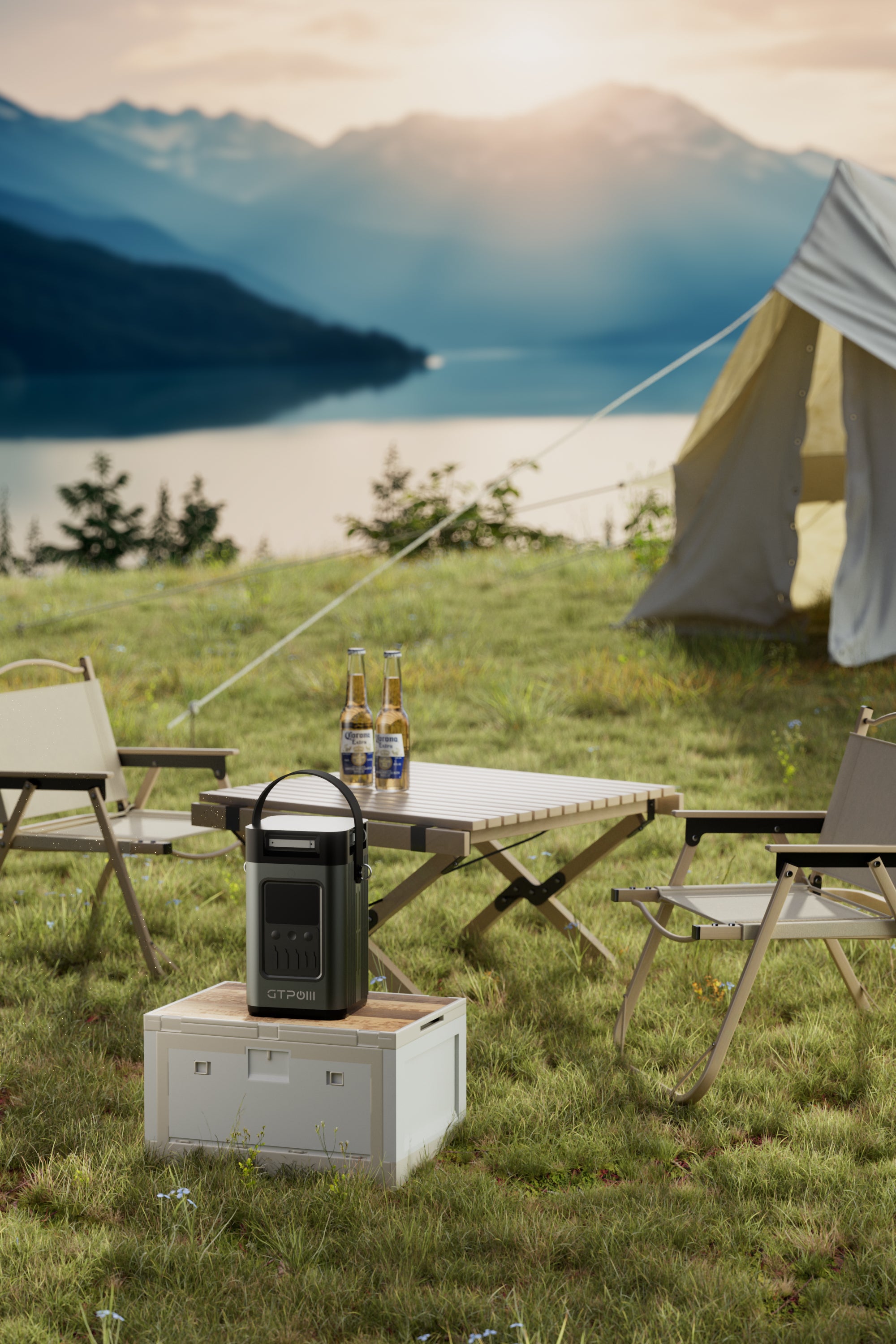
So richten Sie ein vollständiges Solarstromsystem für Ihre Wohnmobil-Roadtrips ein
Wenn Sie gerne mit dem Wohnmobil campen und lange Roadtrips unternehmen, ist eine gut geplante Solaranlage ein echter Gamechanger. Sie ermöglicht Ihnen den Zugriff auf zuverlässigen Strom, selbst wenn Sie weitab vom öffentlichen Stromnetz unterwegs sind. Mit sorgfältiger Planung, der Auswahl der richtigen Komponenten und einer fachgerechten Installation schaffen Sie eine energiesparende, leichte und einfach zu montierende Solarlösung. Sie ist für alle Arten von Wohnmobilen und Wohnwagen geeignet. Dieser praktische Leitfaden führt Sie durch die Planung, die Komponentenauswahl, die Spannungskonfiguration und die praktische Installation und hilft Ihnen so, ein voll funktionsfähiges netzunabhängiges Solarsystem für Ihr Wohnmobil zu errichten.
Ermitteln Sie den Energiebedarf Ihres Wohnmobils
Bevor Sie Ihre Solaranlage installieren, sollten Sie zunächst den täglichen Stromverbrauch all Ihrer Bordgeräte berechnen. Der Energieverbrauch variiert stark je nach Wohnmobilmodell. Nachfolgend finden Sie eine praktische Übersicht gängiger Geräte und deren durchschnittlichen täglichen Energieverbrauch für verschiedene Wohnmobilkategorien.
| Wohnmobil-Typ | Hauptgeräte an Bord | Durchschnittlicher täglicher Energieverbrauch |
|---|---|---|
| Geländewagen/Kompakt-Camper | 12-V-Kühlschrank, Dachlüfter, Laptop, LED-Beleuchtung | 4900 Wh/Tag |
| Wohnmobil der Klasse A | Dachklimaanlage, Wohnmobilkühlschrank, Mikrowelle, Innenbeleuchtung | 1950 Wh/Tag |
| Wohnmobil der Klasse B | Satelliten-Internetgerät, Wohnmobil-Kühlschrank, Lüfter, mobile Elektronik, Beleuchtung | 5740 Wh/Tag |
| Wohnmobil der Klasse C | Wohnmobil-Kühlschrank, Dachklimaanlage, Mikrowelle, kleine Haushaltsgeräte | 11790 Wh/Tag |
| Wohnwagen | Großraumkühlschrank, stationäre Klimaanlage, Mikrowelle, komplette Wohnmöbelgarnitur | 14220 Wh/Tag |
Leistungsaufnahme typischer Wohnmobilgeräte
- Wohnmobil-Kühlschrank: 80–200 W, im Normalbetrieb durchschnittlich 120 W
- Dachklimaanlage: 1200–2500 W, eines der energieintensivsten Geräte an Bord
- Mikrowelle: 900–1500 W, nur kurzzeitig und intermittierend verwendet
- Lüfter: 10–50 W, energiesparendes Gerät zur Luftzirkulation
- LED-Leuchten: 5–30 W pro Leuchte, mit hervorragender Energieeffizienz
- Laptops & Tragbare Elektronikgeräte: 40–120 W beim Laden
Wichtiger Hinweis: Die Berechnung Ihres gesamten täglichen Energiebedarfs entsprechend Ihrem Wohnmobilmodell und den täglich verwendeten Geräten ist der grundlegende Schritt zur Auswahl geeigneter Solarpaneele und Batteriespeicher.
Mehrere Ladeoptionen für Stromversorgung rund um die Uhr
Ein leistungsstarkes Solarsystem für Wohnmobile vereint drei praktische Lademöglichkeiten: Fahrzeugladung, Landstromanschluss auf Campingplätzen und Solarstromgewinnung. Diese Methoden arbeiten zusammen, um eine konstante Stromversorgung zu gewährleisten, egal ob Sie unterwegs sind oder auf einem Stellplatz parken.
1. Aufladen während der Reise
Während der Fahrt lädt die eingebaute Lichtmaschine den Akku automatisch über einen DC/DC-Wandler auf. Diese unkomplizierte Lademethode ist ideal für lange Fahrten. Sie versorgt wichtige Geräte wie Beleuchtung, Kühlschrank und Elektronikgeräte mit Strom und garantiert ausreichend gespeicherte Energie für Übernachtungen.
2. Landstromanschluss auf Campingplätzen
Auf Campingplätzen mit Stromanschluss können Sie Ihr Wohnmobil an das Landstromnetz anschließen. Dieser liefert stabilen, leistungsstarken Strom für energieintensive Geräte wie Klimaanlagen und Mikrowellen und ist somit die ideale Wahl für hohen Stromverbrauch.
3. Solarladung für Abenteuer abseits des Stromnetzes
Solarpaneele fangen tagsüber Sonnenlicht ein, um Batterien aufzuladen und dienen so als primäre Stromquelle für Campingausflüge in abgelegene Gebiete und Reisen ohne Stromanschluss. Abhängig von den allgemeinen Sonneneinstrahlungsbedingungen in den meisten Regionen benötigen die meisten Wohnmobilbesitzer Solarpaneele mit einer Leistung von 300 W bis 1000 W, um ihren täglichen Energiebedarf zu decken.
Wählen Sie die ideale Systemspannung: 12 V, 24 V oder 48 V
Die Betriebsspannung Ihres Systems beeinflusst direkt die Energieeffizienz, den Leistungsverlust und die Bandbreite kompatibler Geräte. Hier finden Sie eine detaillierte Übersicht der drei gängigen Spannungsoptionen:
1. 12-V-System
Dies ist die gängigste Wahl für Einsteiger-Solaranlagen. Sie verwendet Standardverkabelung und ist mit weitgehend kompatiblem Zubehör ausgestattet. Ideal für den Betrieb von LED-Leuchten, 12-V-Kühlschränken und kleinen Elektronikgeräten. Besonders empfehlenswert ist sie für Geländewagen und kompakte Wohnmobile der Klasse B.
Einschränkung: Längere Kabelstrecken führen zu einem spürbaren Leistungsverlust, daher ist diese Methode für den Langzeitbetrieb von Geräten mit hoher Wattzahl nicht empfehlenswert.
2. 24-V-System
Eine beliebte Lösung der Mittelklasse, die eine höhere Effizienz als 12-V-Systeme bietet. Sie reduziert den Stromverbrauch und den Energieverbrauch und kann Geräte mittlerer Leistung wie Mikrowellen und Kompaktklimaanlagen zuverlässig betreiben. Sie eignet sich ideal für Wohnmobile der Klasse C und mittelgroße Wohnwagen.
3. 48-V-System
Die optimale Wahl für Systeme mit hohem Energiebedarf. Es bietet höchste Gesamteffizienz und kann mehrere leistungsstarke Geräte sowie große Klimaanlagen gleichzeitig betreiben. Dieses System ist für große Wohnmobile der Klasse A und geräumige Wohnwagen konzipiert. Beachten Sie, dass es mit höheren Kosten verbunden ist und spezielle Komponenten erfordert.
Grundlegende Konstruktionsregeln: Effizienz, Gewicht & einfache Installation
Wohnmobile bieten nur begrenzten Platz auf dem Dach, eine geringe Zuladungskapazität und sind rauen Außenbedingungen ausgesetzt. Beachten Sie diese drei wichtigen Prinzipien beim Bau Ihrer Solaranlage.
1. Steigerung der Energieeffizienz
Da der Platz auf Dächern begrenzt ist, sind leistungsstarke monokristalline Solarmodule die beste Wahl. Sie maximieren die Stromausbeute auf kleinstem Raum, was insbesondere für Wohnmobile der Klassen B und C mit relativ hohem Energieverbrauch von entscheidender Bedeutung ist.
2. Das Gesamtgewicht im Auge behalten
Das Gesamtgewicht Ihrer Solaranlage hat direkten Einfluss auf Kraftstoffverbrauch und Fahrsicherheit. Wir empfehlen die Verwendung leichter Lithiumbatterien und schlanker Solarmodule, um zusätzliches Gewicht zu reduzieren, ohne die Leistung zu beeinträchtigen.
3. Vereinfachung des Installationsprozesses
Für Einsteiger eignen sich Komplettsets für Wohnmobil-Solaranlagen. Jedes Paket enthält Solarmodule, Laderegler, Spezialkabel und Montagehalterungen. Die Installation ist dank der beiliegenden Schritt-für-Schritt-Anleitung kinderleicht und erfordert keine aufwendigen Fahrzeugmodifikationen.
Schritt-für-Schritt-Anleitung zum Zusammenbau Ihres Wohnmobil-Solarsystems
Befolgen Sie diese einfachen Schritte, um ein komplettes und zuverlässiges Solarsystem zu entwerfen, die Teile auszuwählen und es zu installieren:
- Täglichen Energieverbrauch berechnen: Ermitteln Sie Ihren gesamten täglichen Stromverbrauch anhand der Wattzahlen Ihrer Geräte und Ihrer üblichen Nutzungsgewohnheiten.
- Solarmodule auswählen: Ermitteln Sie die benötigte Solarmodulleistung anhand Ihres Gesamtenergiebedarfs und der lokalen Sonnenscheindauer. Beispielsweise benötigt ein Wohnmobil der Klasse B mit einem Verbrauch von 5000 Wh pro Tag in sonnenreichen Gebieten eine 1000-W-Solaranlage.
- Batteriespeicher auswählen: Batterien speichern überschüssige Energie für die Nutzung in der Nacht. Bei einem täglichen Verbrauch von 5000 Wh wird ein 24-V-100-Ah-Akkupack empfohlen, um eine unterbrechungsfreie Stromversorgung während der Nacht zu gewährleisten.
- Systemspannung abschließen: Wählen Sie 12 V, 24 V oder 48 V je nach Leistung Ihrer Geräte und Ihrem Wohnmobiltyp und vereinheitlichen Sie den Spannungsstandard für alle Geräte.
- Installieren und verkabeln Sie das System: Montieren Sie die Solarpaneele sicher, schließen Sie den Laderegler und den Akku an, verbinden Sie den Wechselrichter mit den internen Schaltkreisen des Wohnmobils und führen Sie anschließend vollständige Systemtests durch.
Schlussbetrachtung: Volle Unabhängigkeit unterwegs
Eine voll ausgestattete Solaranlage für Ihr Wohnmobil macht Sie unabhängig vom öffentlichen Stromnetz. Ob Sie einen kurzen Wochenendausflug mit dem Auto unternehmen oder die Wildnis erkunden – mit autarker Energieversorgung genießen Sie modernen Komfort.
Mit sorgfältiger Planung, abgestimmt auf Ihr Wohnmobilmodell und Ihre Reisegewohnheiten, können Sie ein effizientes, stabiles und langlebiges Solarsystem aufbauen, das jede Reise angenehmer macht. Wenn Sie auf der Suche nach zuverlässigen Solarkomponenten sind, GTPOW bietet professionelle Solaranlagen für Wohnmobile an. um Ihren Strombedarf während Ihrer Reisen vollständig zu decken.